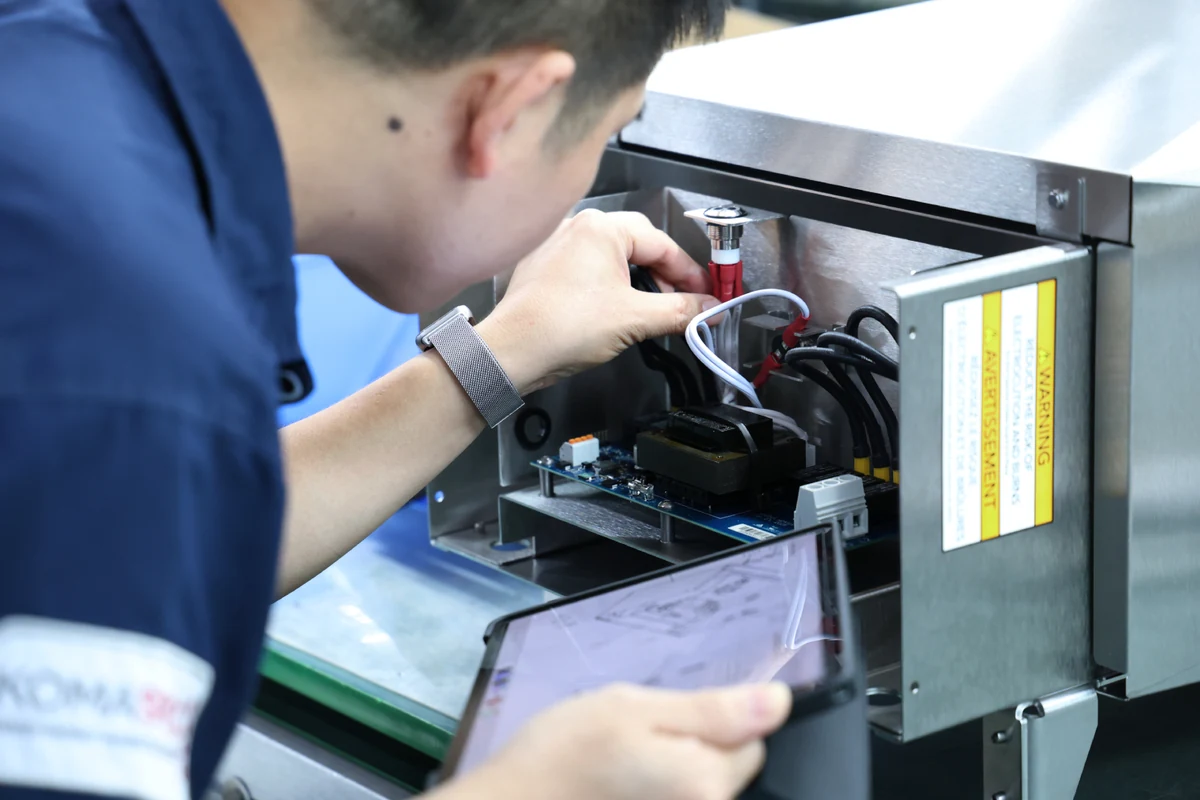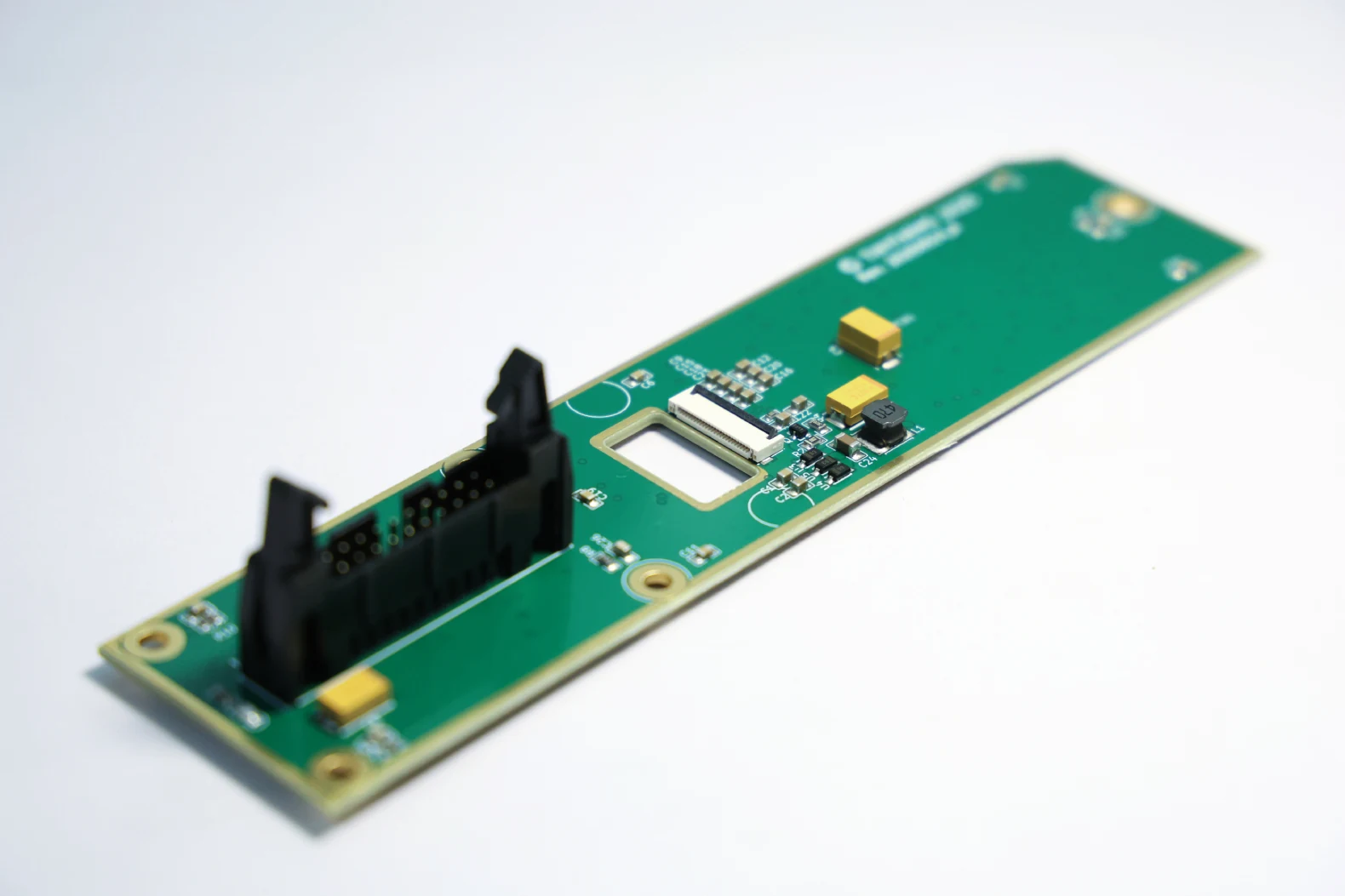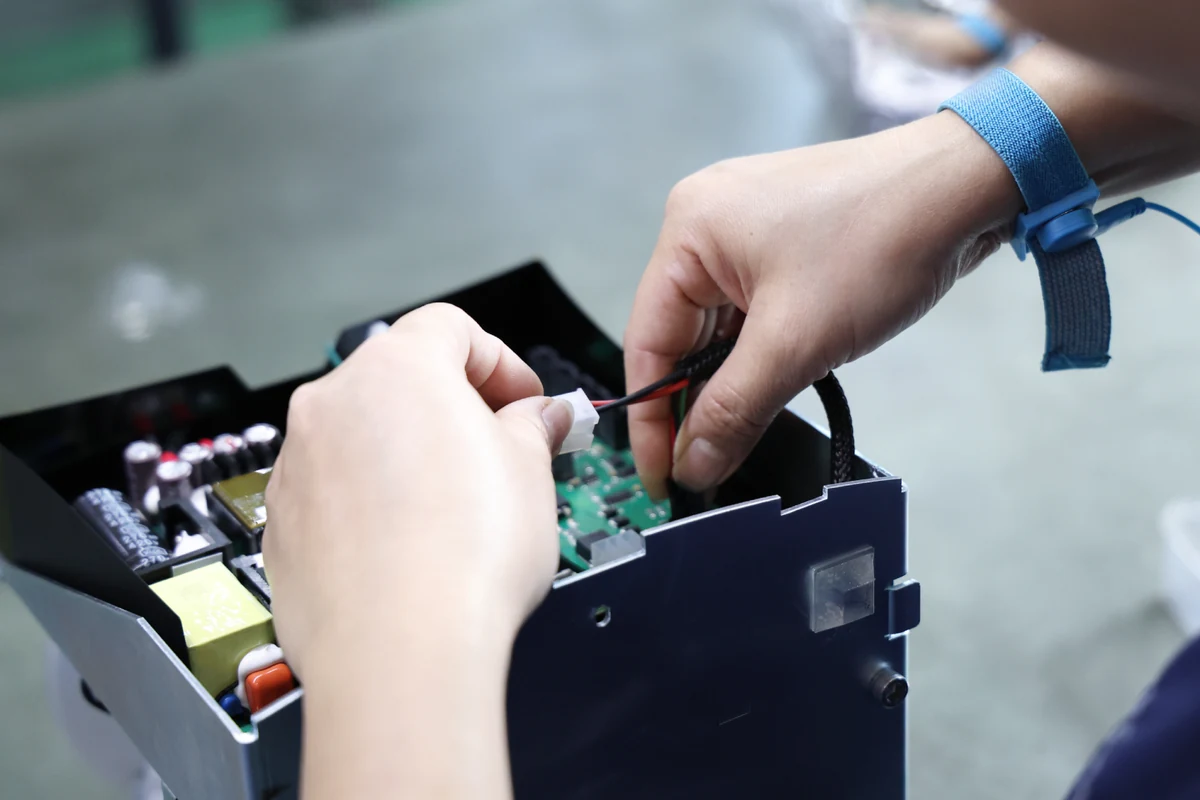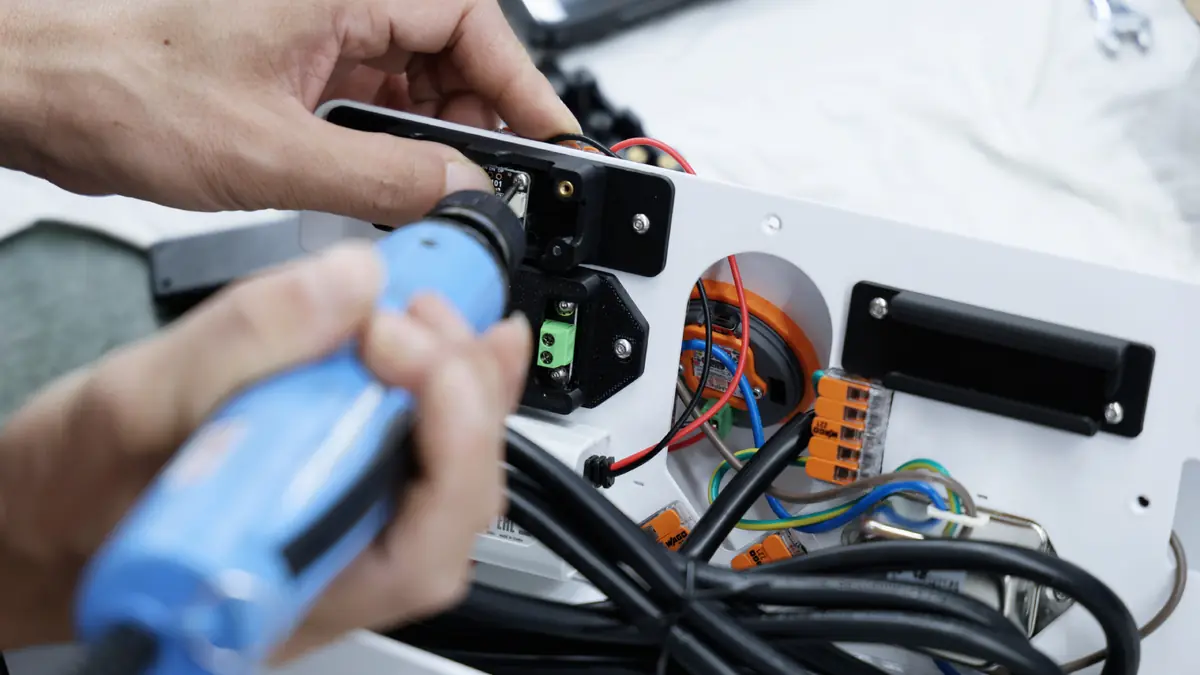
Electronics contract manufacturing (ECM) is a manufacturing model where the production or assembly of an electronic product is outsourced to a specialist manufacturer that builds it to the customer’s design.
Under an ECM arrangement, the customer (usually called the OEM, or original equipment manufacturer) owns the product design, the brand it will be sold under, and the relationship with customers. The manufacturer (usually called an EMS, or electronics manufacturing services provider) buys the components needed to build the product, assembles and tests the boards and the product, then ships it to the customer.
The EMS market is sizeable. The Global Electronics Association states that it reached about $658 billion in 2024, with a projected annual growth of 4.6%.
Whether the partnership works usually comes down to three early decisions: how much to hand over to the manufacturer, who buys the parts and components, and what goes into the RFQ.
Key Takeaways
Under ECM (or EMS), the customer owns the product design while the manufacturer is responsible for building, testing, and shipping it according to the customer’s specifications.
Customers should clarify the scope of the work for the manufacturer, whether that’s building the boards only, handling the box build, or providing a full turnkey assembly.
A full turnkey arrangement is generally the best option for SME hardware programs because it keeps the material liability with the manufacturer.
A complete RFQ should include test scope, sourcing model, and IPC-A-610 quality class.
Production schedules for ECM projects are mainly set by component lead times, not assembly time. As of late July 2026, average component lead time stood at 20.6 weeks.
What Does an Electronics Contract Manufacturer Do?
As a baseline, every ECM can assemble printed circuit boards, but some will also handle other parts of the assembly.
| Scope | What the ECM delivers | What you still manage |
|---|---|---|
| PCBA only | Boards that have been populated and inspected (SMT and through-hole), sometimes board-level test | Enclosure, harnesses, final assembly, product testing, and packaging |
| PCBA plus cables and harnesses | Boards and the custom wire harnesses that connect them | Enclosure tooling, mechanical parts, final assembly, and testing |
| Box build | The assembled, tested product in its enclosure, labeled and packed | Design and certification files |
| Full turnkey product | Box build plus sourcing of every part on a multi-process BOM (sheet metal, plastics, electronics, packaging) | Design only |
The difference in scope between a PCBA assembler and a turnkey manufacturer is bigger than it looks. A design for a bike rack with integrated lighting can have a BOM with over 300 lines, covering extrusion, sheet metal, molding, cabling, and electronics. If you’re working with a partner that only handles the PCBA, each of those other jobs needs to be handed off to suppliers that you then coordinate. So if your product is more than just a board, save yourself the trouble by getting the electromechanical assembly or box build from one single partner.
No matter the scope, the baseline workmanship will be set by two IPC documents: J-STD-001 covering the soldering process and IPC-A-610 to detail exactly what an acceptable finished product looks like.
The tests the manufacturer runs will also affect your quote. Ask which of the following will be included:
Automated optical inspection (AOI) on every SMT build (plus X-ray for BGAs and other hidden joints)
In-circuit testing (ICT) or flying probe to check assembled boards electrically
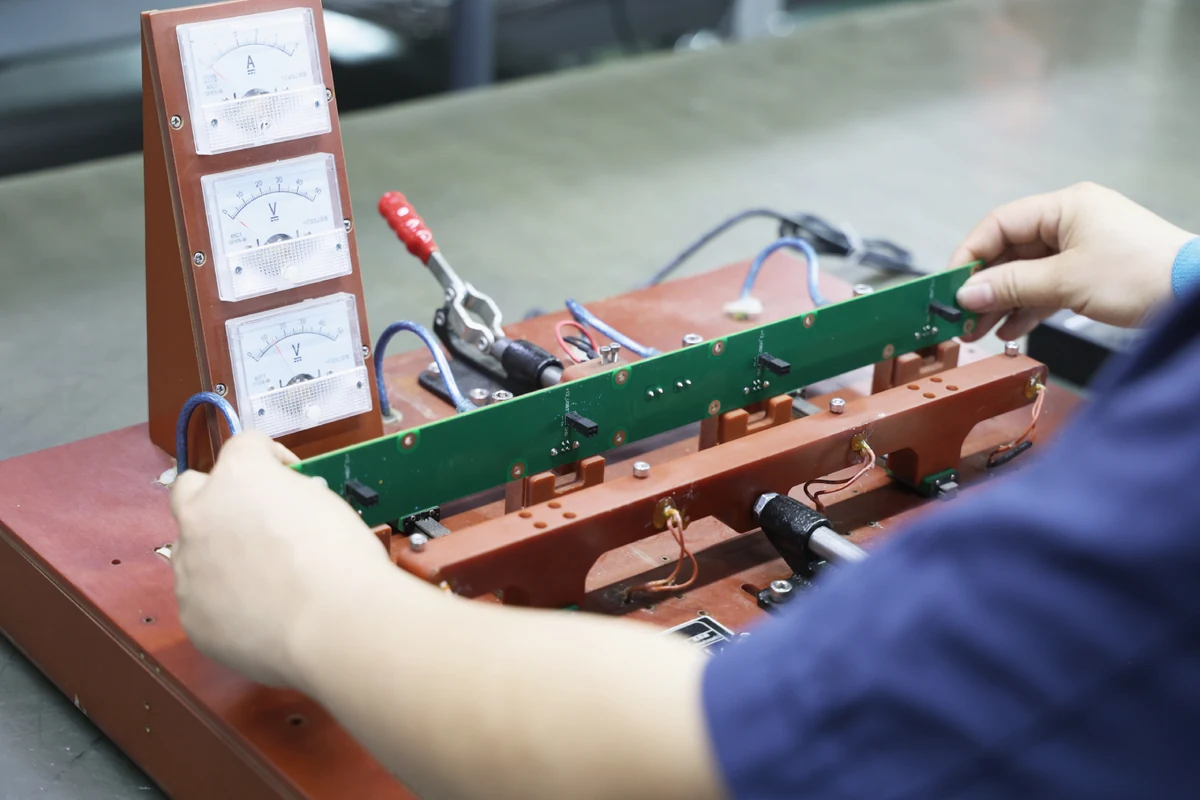
Functional testing (FCT), which involves powering the boards and running them through their real operating modes
Burn-in and environmental stress tests under heat, humidity, or vibration
Product-level testing once the boards have been installed into their enclosures
How Electronic Contract Manufacturing Works (At Each Stage)
In most cases, delays happen during the first two stages (RFQ and DFM/BOM review). The culprit is usually mismatched or incomplete data packages.
To see how this same path runs from a program management angle, check out our guide to the new product introduction process.
What You Should Include in Your RFQ for Electronics Contract Manufacturing
To get quotes you can compare easily, ask each supplier to price (or explicitly decline) each of the following:
Frequently Asked Questions
Is EMS the same as electronics contract manufacturing?
Yes, although “EMS” is more common in supplier marketing and industry reports. EMS and ECM are the same manufacturing model, where the manufacturer builds, tests, and ships electronic assemblies based on the customer’s designs. Some EMS providers also sell ODM design services, so confirm who will own the design before you sign.
How long does electronics contract manufacturing take?
It depends on component lead times. Once every part is kitted, assembling the boards takes only a few days or weeks. In late July 2026, the average lead time for components was 20.6 weeks (26.8 weeks for semiconductors). Doing validation builds adds extra time before volume, so plan the program around parts availability.
How do I protect my IP when working with an EMS provider?
Before production starts, register your patents and trademarks in the country where your product will be built. Sign an NNN (non-disclosure, non-use, non-circumvention) agreement drafted in the local language. Make sure the manufacturing agreement states who owns the design files and custom tooling, and limit file access to the team working on your project.
Komaspec delivers turnkey electronics programs from China and Vietnam, including PCBA, harnesses, enclosures, assembly, and functional testing running under a single program, with a free DFMA review. Send your BOM and drawings for an itemized quote, or see our electronics manufacturing services.