





FAQS
Answers to common questions about our injection molding services in China.
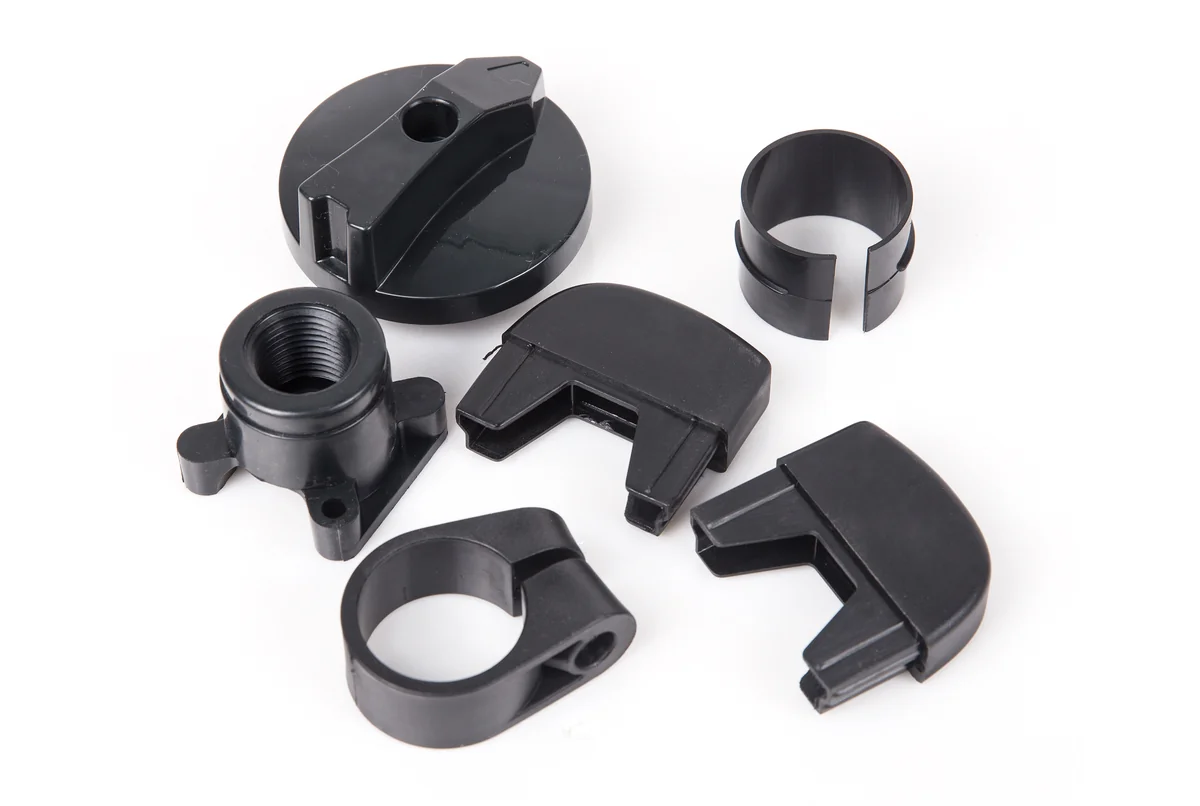
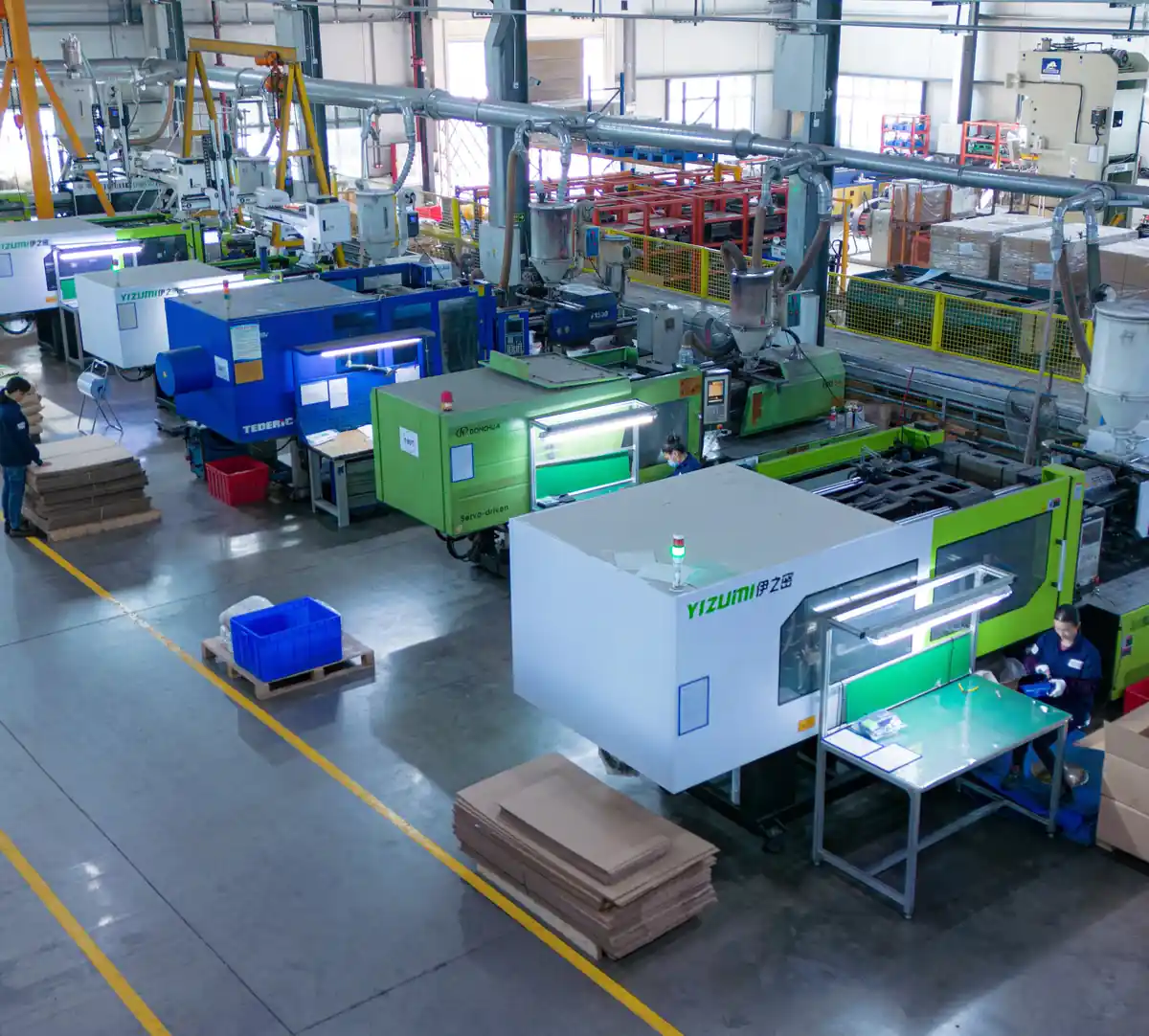
Plastic injection molding is the most efficient way to produce plastic parts at high volume. The process works like this:
- Plastic pellets are melted down
- The molten resin is injected under pressure into a mold
- The resin cools inside and solidifies to the mold's interior shape
- The mold opens and the finished plastic part is ejected
The cycle then repeats rapidly and automatically. A wide range of geometries and surface finishes can be produced.
- Economies of scale - cost per part drops significantly at high volumes
- Complex parts can be molded relatively fast
- Fillers can be added to modify material properties
- Many resin types can be used, which means more design freedom
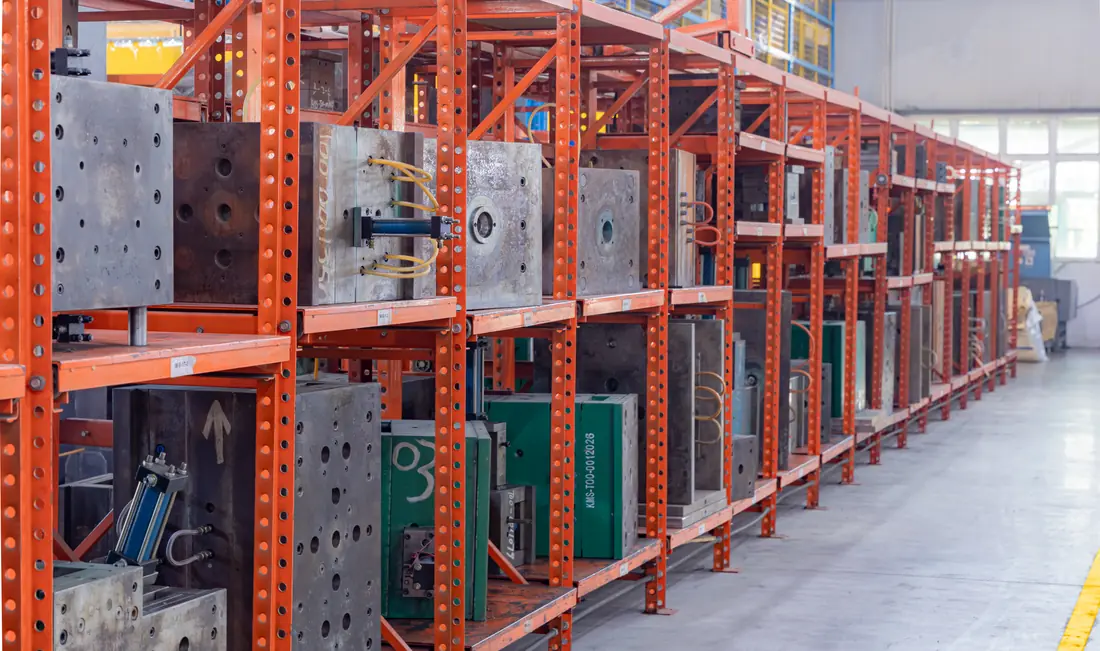
Injection molding requires a significant upfront investment in tooling. At higher volumes that cost is spread across many parts, so the cost per part becomes very low. This is why plastic injection molding is so effective for medium-to-high volume production.
We routinely work with PC, PMMA, ABS, ABS V0, PA66, PA6, PA66 with 30% glass fiber reinforcement, PP, PE, and HDPE, along with PC/ABS, uPVC, PVC, PBT+PC, and soft TPU/TPE grades. See our full plastic materials list for detailed properties.
Yes. We have experience with challenging end-use applications and support advanced processes including insert-molding and over-molding for parts that standard single-shot molding cannot address.
We provide DFM feedback and tooling engineering input during the pre-production phase, as part of the standard program workflow.
Yes. We can coordinate export shipment from our facilities based on your program requirements.
Yes. Please contact us at technicalsales@komaspec.com and we will be pleased to supply a reference list.