
What Is a Sub-Assembly in Manufacturing? Examples and When to Outsource
- Key Takeaways
- Sub-Assembly Meaning and Where It Sits in the BOM
- What's the Difference Between a Sub-Assembly and an Assembly?
- Kitting vs. Sub-assemblies
- Common Examples of Sub-Assemblies
- Why Do Manufacturers Build Products as Sub-Assemblies?
- How Sub-Assembly Manufacturing Works
- What to Look for in a Sub-Assembly Supplier
- Should You Build Sub-Assemblies In-House or Outsource Them?
- FAQs
A sub-assembly is a group of components that are assembled into a single unit. That unit then becomes part of a larger finished product.
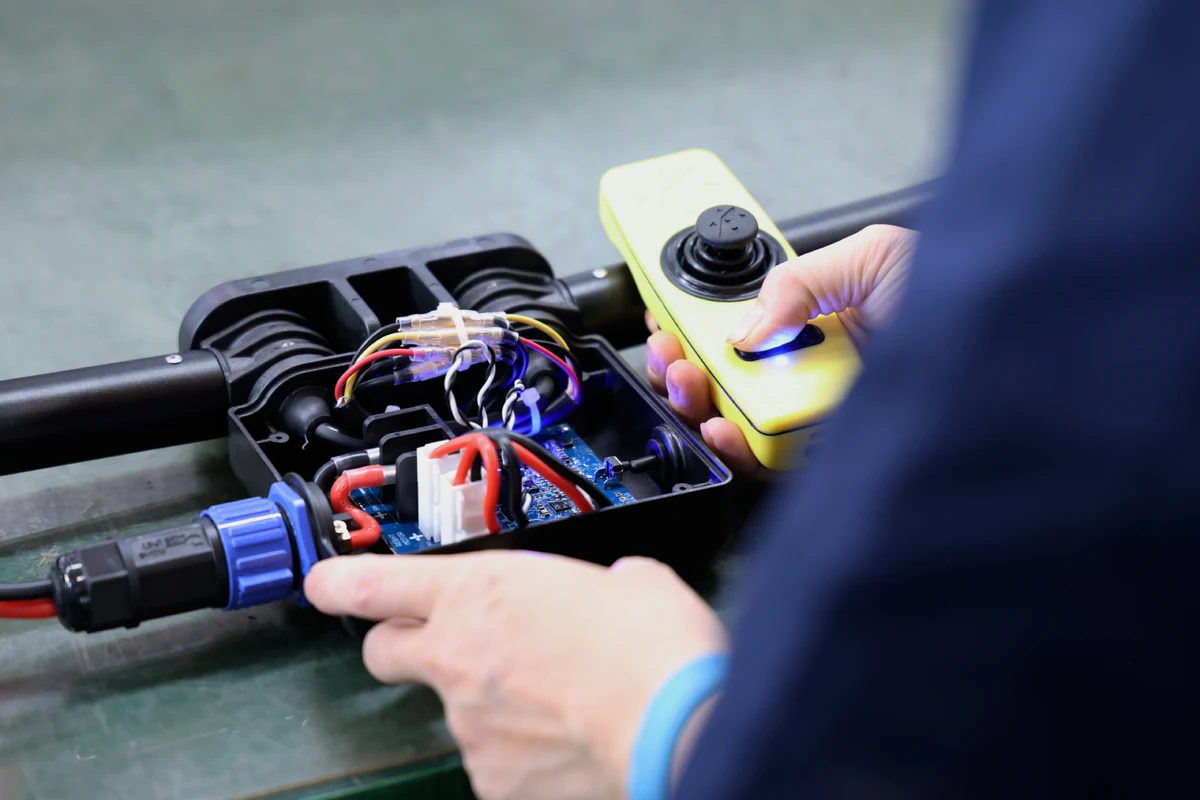
Wire harnesses, battery packs, and pre-wired control panels are all examples of sub-assemblies, since they are assembled and tested on their own before being installed into the final product.
Sub-assemblies allow manufacturers to build in parallel, catch defects before final assembly, and keep their bill of materials (BOM) more manageable.
That's the short answer. But in the rest of this post, we’ll go into greater detail to help you decide whether to use sub-assemblies in your product and whether you should handle this yourself or hand part of the build over to a contract manufacturer..
Key Takeaways
A sub-assembly is a unit that is built from two or more components, which is then incorporated into a finished product.
Unlike finished products, sub-assemblies are not sold to consumers on their own.
Building with sub-assemblies allows manufacturers to shorten their lead times, catch defects before the final product is assembled, and keep their inventory more manageable.
Manufacturers often outsource sub-assemblies to suppliers, especially when building them would require high amounts of labor or specialized equipment.
Table of Contents
- Key Takeaways
- Sub-Assembly Meaning and Where It Sits in the BOM
- What's the Difference Between a Sub-Assembly and an Assembly?
- Kitting vs. Sub-assemblies
- Common Examples of Sub-Assemblies
- Why Do Manufacturers Build Products as Sub-Assemblies?
- How Sub-Assembly Manufacturing Works
- What to Look for in a Sub-Assembly Supplier
- Should You Build Sub-Assemblies In-House or Outsource Them?
- FAQs
Sub-Assembly Meaning and Where It Sits in the BOM
A sub-assembly is a set of parts that are joined into one unit, which then performs a defined function but isn't sellable on its own. A hinge, for example, is a sub-assembly that consists of two leaves and a pin. In a joystick-controlled kayak propulsion system Komaspec builds, the drive unit is a sub-assembly that becomes part of the finished product, which also consists of extruded shafts, custom cabling, a potted PCBA, and a sheet metal frame.
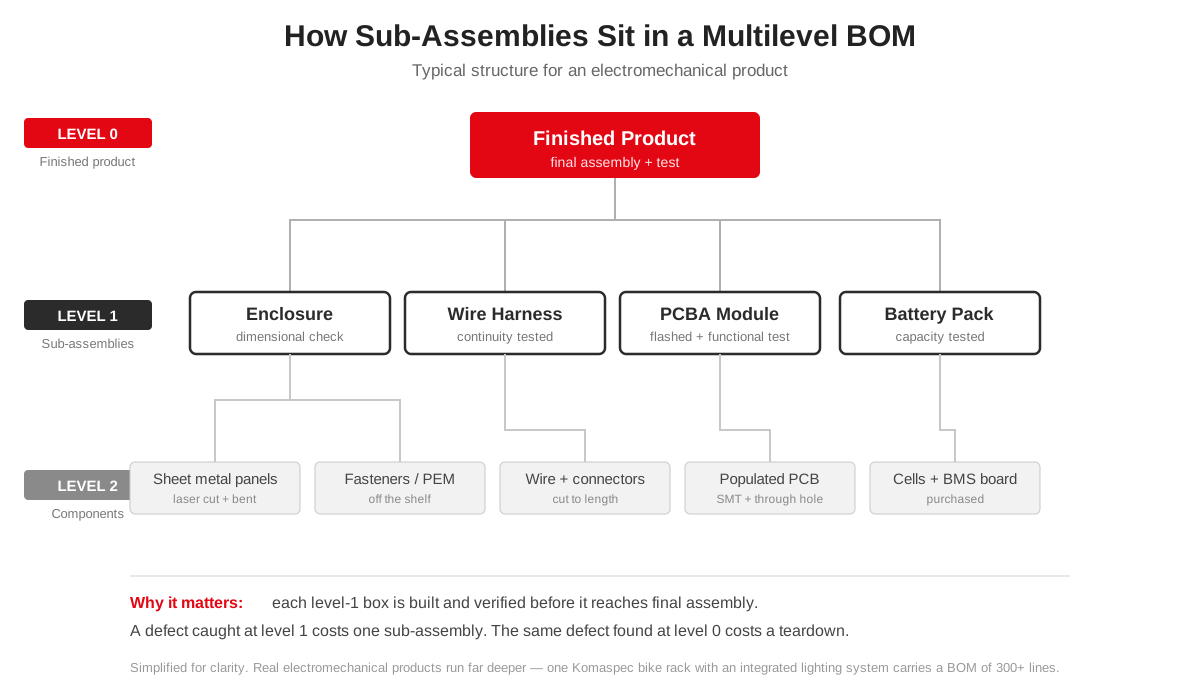
In a multilevel bill of materials, sub-assemblies are listed as parent items with their own child components. The finished product sits at level zero, sub-assemblies at level one, their components at level two, and so on. Even a moderately complex electromechanical product can require a lengthy and complex BOM. The BOM for a rear-mounted bike rack with an integrated lighting system that Komaspec manufactures includes more than 300 lines, including everything from aluminum extrusion and sheet metal to injection-molded plastics, cabling, and electronics. Without this separation by sub-assembly levels, a BOM of this complexity would be unmanageable, both in the ERP system and on the shop floor.
What's the Difference Between a Sub-Assembly and an Assembly?
An assembly (or final assembly) is the finished product. It is completely assembled and ready to sell or use.
A sub-assembly is an intermediate unit that serves no real purpose until it is built into the final product.
A door, for example, is an assembly, while the hinges are sub-assemblies.
Once the manufacturer has the sub-assemblies required, the final assembly mainly consists of joining them together. Depending on the product, they may simply need to mount the drive module, connect the harness, and fasten the enclosure before testing, packing, and shipping out the final assembly.
Kitting vs. Sub-assemblies
Another important distinction is between kitting and sub-assemblies.
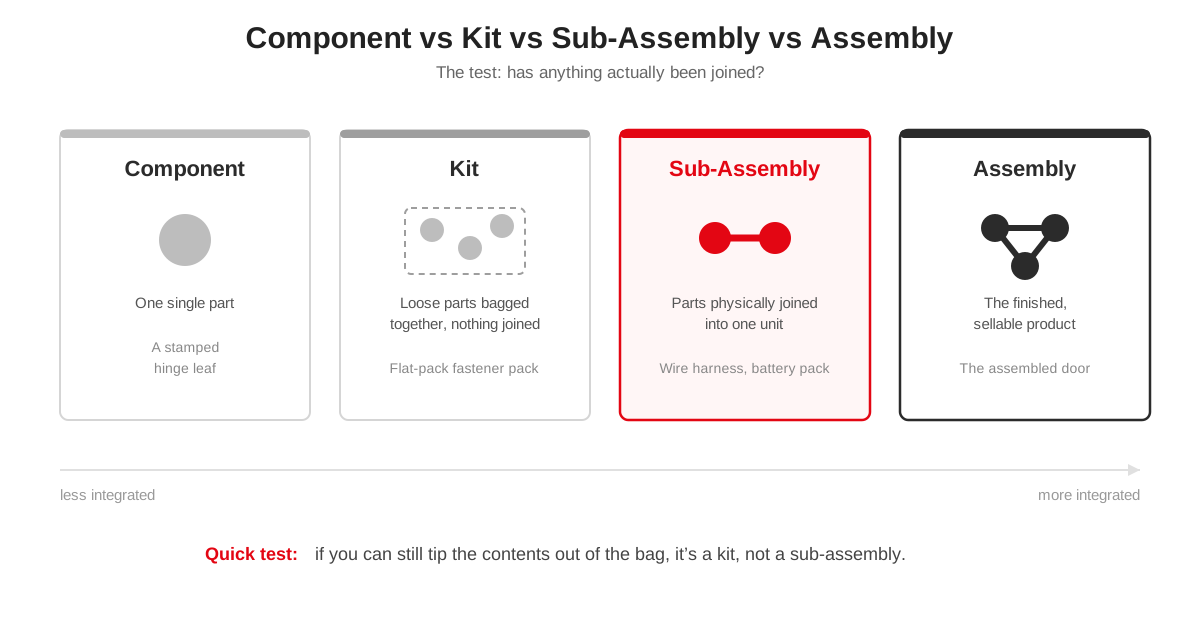
A kit is a set of loose parts that are packaged together. None of those parts are joined by the supplier and must be assembled by the manufacturer or the customer. With a sub-assembly, on the other hand, the parts have already been joined and it is shipped as a single unit.
However, kitting can also be step in the sub-assembly process. In those cases, the parts are packaged as a kit and delivered to a cell where they are put together to make the sub-assembly. But until every part has been joined or connected, it is still considered a kit.
| Term | What it is | Example |
|---|---|---|
| Component | A single part | A stamped hinge leaf |
| Kit | Loose parts packaged together | Fastener pack included with flat-packed furniture |
| Sub-assembly | Components joined into one intermediate unit | Hinge, wire harness, or battery pack |
| Assembly | The finished, sellable product | An assembled door or a finished e-bike rack |
Common Examples of Sub-Assemblies
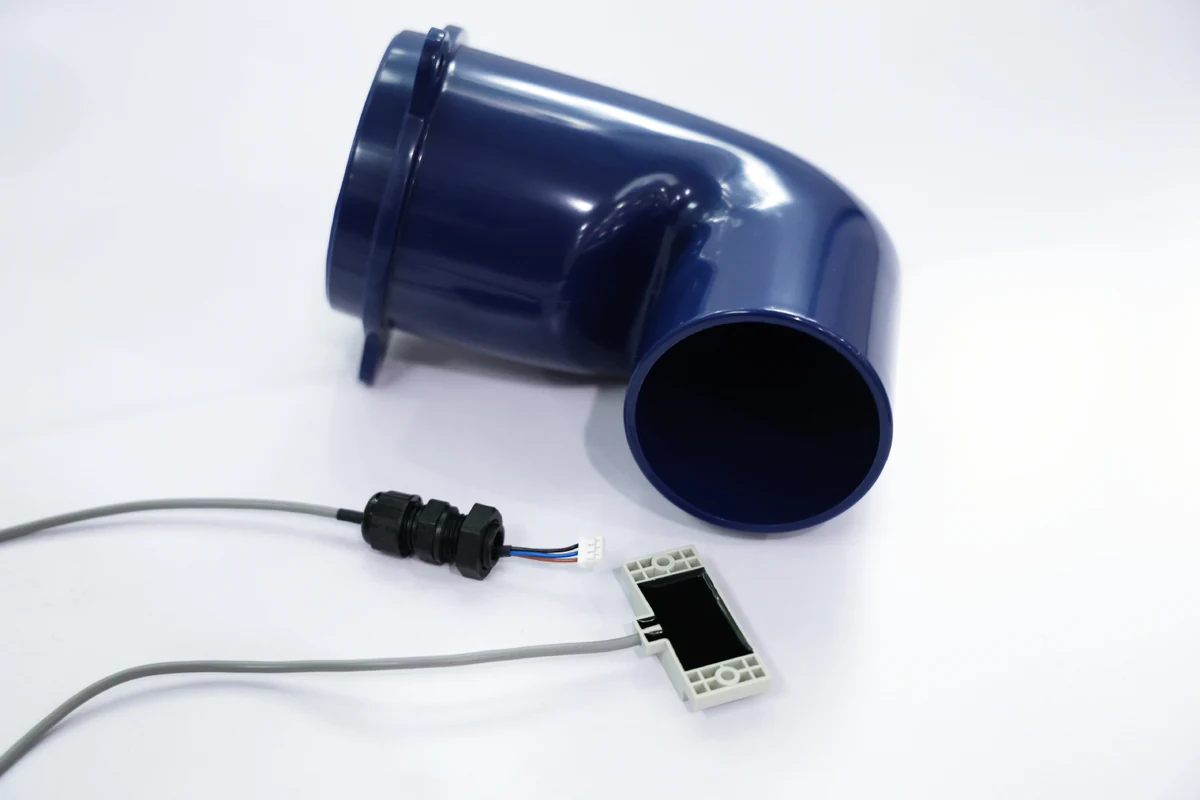
Battery packs. These packs consist of the cells themselves, along with a battery management board, an enclosure, and an output cable. Battery packs are used in a vast range of powered products, including an underground IoT mining light manufactured (and tested to IPX7 sealing requirements) by Komaspec.
Motor and drive modules. The components include a motor, mounting plate, gearing or coupling, and a wiring pigtail. The finished sub-assembly is then delivered as a drop-in unit.
Automotive modules. The auto industry relies on many large and complex sub-assemblies. Tier-1 suppliers might deliver cockpit and front-end modules as pre-assembled units, complete with HVAC, instrument cluster, and harnesses already included and set up. That way, the manufacturer only needs to install one large unit instead of placing and connecting hundreds of parts.
Why Do Manufacturers Build Products as Sub-Assemblies?
Parallel production can shorten lead times. When a manufacturer outsources the sub-assemblies, multiple components can be built at the same time. This means the product can be finished and shipped sooner than if the manufacturer had to build each component back to back.
This is especially beneficial when making products that have electronic components, because many of those components have long lead times. By contracting them out to suppliers, they can be assembled while the manufacturer handles the housing and other parts of the product.
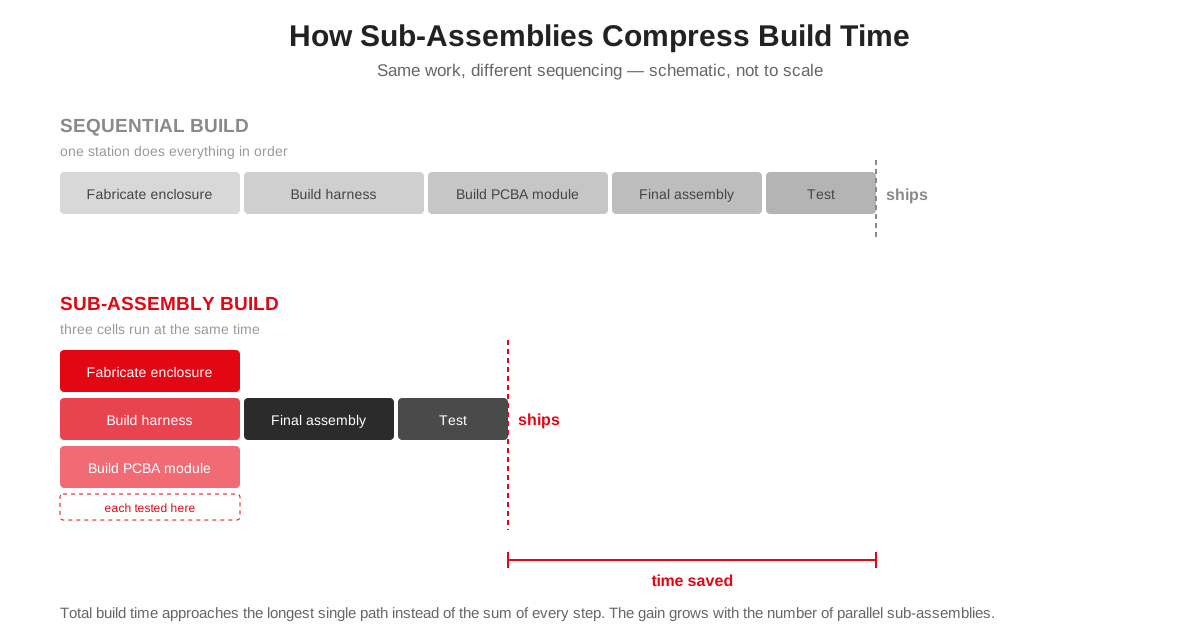
Defects in the sub-assembly are cheaper to fix than defects in the finished product. Each sub-assembly is tested individually, rather than only being tested in the final build. That way, if a harness fails a continuity test, this only costs the manufacturer that one harness. But if that same harness were only tested once it became part of the final assembly, the costs would also include teardown, rework, and retesting.
This is why Komaspec builds custom jigs and go/no-go gauges for in-process checks and runs functional testing at the sub-assembly stage, not just at the end of the line. For electronics sub-assemblies, our inspections follow the industry standard IPC-A-610 (Revision J, 2024), which defines the solder joint, component mounting, and workmanship criteria at three product classes.
The BOM and inventory become more manageable. Sub-assemblies make it easier to schedule, stock, and trace your inventory.
Not every level in your BOM will need its own inventory record, though. In cases where the sub-assembly is consumed immediately after it’s built, an ERP system can treat it as a phantom BOM (or a blow-through) instead of a stocked item. The MRP then bypasses the phantom item and plans that item’s components directly against the parent order. This simplifies things, because you won't have to generate a work order and an on-hand balance for a unit that will only exist for a few minutes and never even sit on a shelf.
But how do you decide how each unit should be treated? If it’s a unit that you’ll be holding, shipping, or selling as a spare, list it as a real sub-assembly. If the unit moves straight into the next operation, list it as a phantom instead.
Logistics and product configuration become easier. If your product is built from sub-assemblies, it can be shipped knocked-down. This can help cut down on shipping volume, especially for bulky assemblies. It also lets one set of modules feed several SKUs. And it gives you the option to delay the final configuration until the product is close to its end market. This can result in significant cost savings when you’re making products that have region-specific power supplies, labeling, or certification requirements.
How Sub-Assembly Manufacturing Works
Sub-assembly manufacturing runs as its own program, which goes through five stages.
Design review and design for manufacturing (DFM) feedback. The drawings and BOM for the sub-assembly go through a review before anything is quoted. This is where most of the cost gets decided.
At Komaspec, DFM feedback goes through multiple rounds, starting at the RFQ, then when the drawing is released, and again at the sample stage. Problems that show up in a CAD file are rarely the same ones that surface in the first physical sample. So with this approach, we can catch issues at every stage, and catch them earlier so they’re easier and cheaper to fix.
Sourcing components for the sub-assembly. The components that the supplier will need but don’t make themselves will have to be qualified and purchases. This is especially important for electromechanical sub-assemblies, since components like connectors, ICs, and specialty hardware all carry long lead times.
What to Look for in a Sub-Assembly Supplier
When you’re evaluating a potential supplier, ask whether they can show you inspection data for each unit instead of just a certificate of conformance. Ask whether they will build the test fixtures themselves or rely on you to supply them. And verify that their DFM reviews will be handled by an engineer and not someone on their sales team.
Check their minimum order quantity (MOQ) flexibility to make sure it aligns with your expected production volumes.
Get clarity on what happens when you send them an engineering change mid-production. The answer to that question alone will give you a very good idea of what kind of supplier you’re dealing with.
All those questions are important. But there are two questions that arguably matter the most.
First: ask what they make in-house, and which components they subcontract out. If a supplier outsources the PCBA and the enclosure, that makes them a glorified project manager who charges you a markup. It also means every problem will get you tangled up in a three-way conversation instead of solving it directly with one supplier.
Second: ask whether they will handle both the sub-assembly and the final assembly. If so, the integration risk becomes theirs instead of yours.
Should You Build Sub-Assemblies In-House or Outsource Them?
You should outsource the sub-assembly if making it yourself would require processes or equipment you don't have, the amount of labor involved outsourcing to a lower-cost region would give you a better price per unit, or your assembly line doesn’t have the capacity to handle the sub-assembly without creating a bottleneck.
If your product will need wire harnesses, battery packs, and stamped-and-welded weldments, it’s generally better to outsource these to other suppliers. Making them yourself would involve specialized equipment and a high amount of labor. Plus, there is a mature supplier ecosystem in place that makes it easy and affordable to have someone else make these for you.
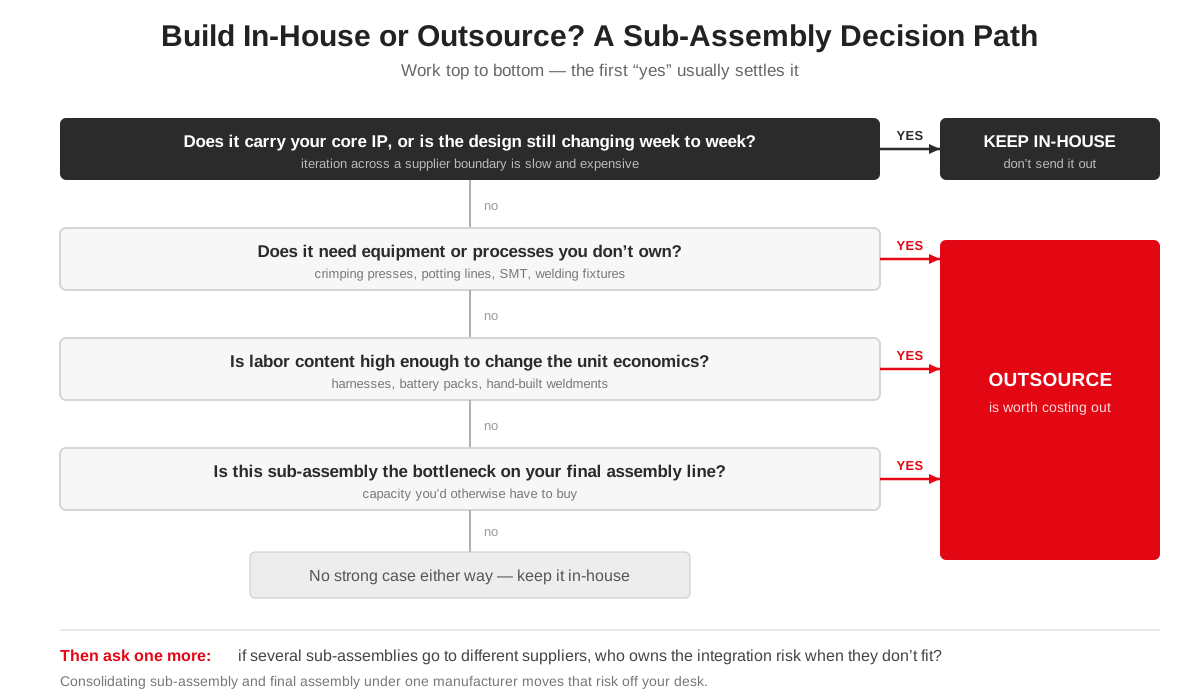
If the sub-assembly in-house carries your core IP, it’s better to build it yourself. Same if the design is still being iterated, because iteration would be slow and expensive when you’re working through a supplier. You should also build it yourself if the labor savings of outsourcing wouldn’t make up for the additional transportation and coordination costs.
And remember, if your product's sub-assemblies come from multiple suppliers, the integration risk lands on whoever puts all the components together. If the connector you got from one supplier doesn’t quite mate with the header you got from another, you are the one who owns that problem, not your suppliers. This is one of the benefits of consolidating your sub-assembly and final assembly so they’re both handled by one partner. That way, any issue with fitting the components together will be discovered in the same factory that built those components. Their assembly teams can then work together to fix them in a matter of hours instead of having to ship parts back and forth between suppliers.
The country where your supplier is located also determines the finished product’s official country of origin. For example, Komaspec manufactures custom PCBAs and electrical components in China to feed assembly in Vietnam. This allows the finished unit to carry a “Made in Vietnam” certificate of origin. For North American programs, we run assembly through our Mexico facility to take advantage of the United States-Mexico Agreement (USMCA).
For a deeper look at the outsourcing model itself, see our guides to contract assembly and electromechanical assembly.
Deciding which parts of your product should be sub-assemblies (and where they should be built) is something that should be settled before tooling, not after. If you have a BOM ready, send it to Komaspec's engineering team for a DFM review and quote. We'll tell you which sub-assemblies we'd break out, and why.
FAQs
What does sub-assembly mean in manufacturing?
A sub-assembly is a unit that is built from individual parts and is then added to a finished product. Sub-assemblies are usually built and tested separately, then added during the product’s final assembly. They are not typically sold to consumers on their own.
What is the difference between an assembly and a sub-assembly?
An assembly is the finished product. It is fully ready to be sold to the end user. A sub-assembly is an intermediate unit that must be added to a complete build before it can be useful to customers.
What are examples of sub-assemblies?
Common examples include wire harnesses, populated and tested PCBA modules, battery packs, motor and drive modules, and pre-wired control panels. While many of these are relatively small, sub-assemblies can also be large and complex, like the entire cockpit or front end of an automobile.
What is a phantom sub-assembly in a BOM?
A phantom sub-assembly is a unit that gets built but never gets stocked. Because it is consumed immediately at the next production step, an MRP system cab simply "blow through" it and plan its components directly against the parent order. This saves the trouble of creating a work order and an inventory balance for a unit that never actually sits on a shelf.
Is kitting the same as sub-assembly?
No, kitting is when loose components are packaged together and shipped unassembled. A sub-assembly is physically built into a single unit by fastening, soldering, crimping, or welding. Kitting often supports sub-assembly work, with the parts being kitted then delivered to an assembly cell where the unit gets built.