
Top 21 EMS Service Providers in China: Complete Manufacturing Guide 2026
- Introduction
- Key Takeaways
- China’s EMS Landscape
- How We Selected These Providers
- Tier 1: Global EMS Giants
- Tier 2: Regional Specialists
- Tier 3: Niche Assemblers
- Which Tier Fits Your Project?
- Practical Vendor Selection Checklist for China
- Common Pitfalls When Sourcing EMS
- Frequently Asked Questions
- Conclusion
Introduction
Despite emerging competition from countries like Vietnam, China remains the world’s dominant electronics manufacturing hub. China is home to the largest concentration of Electronics Manufacturing Services (EMS) providers globally, including both massive contract manufacturers serving corporations like Apple and Samsung and specialized regional players that offer flexible mid-volume production. The country’s EMS ecosystem delivers unmatched scale, supply chain depth, and technical capabilities across all product categories.
This comprehensive guide profiles 21 verified EMS providers operating in China. Providers are organized in three tiers to help you find the right manufacturing partner for your specific product requirements, volume targets, and quality standards.
Key Takeaways
- China dominates global EMS, accounting for 82% of the Asia-Pacific EMS market and hosting 15 of the world's Top 50 EMS providers
- Giant providers control massive scale: Foxconn alone holds over 40% global EMS market share, manufacturing products for Apple, Microsoft, and Amazon
- Regional manufacturing clusters matter: The Pearl River Delta (Shenzhen, Dongguan) excels in consumer electronics, while the Yangtze River Delta (Shanghai, Suzhou) specializes in automotive and industrial
- Engineering depth varies significantly: Tier 1 providers expect production-ready designs; Tier 2 providers offer DFM support; Tier 3 providers offer full NPI collaboration
Table of Contents
- Introduction
- Key Takeaways
- China’s EMS Landscape
- Our Methodology: How We Selected These Providers
- Tier 1: Global EMS Giants (High Volume)
- Tier 2: Large China-Based EMS / Regional Specialists (Mid-High Volume)
- Tier 3: Niche & Integrated Turnkey Assemblers (High Mix)
- Summary: Which Tier Fits Your Project?
- Practical Vendor Selection Checklist for China
- Common Pitfalls When Sourcing EMS in China
- Frequently Asked Questions
- Conclusion
China’s EMS Landscape
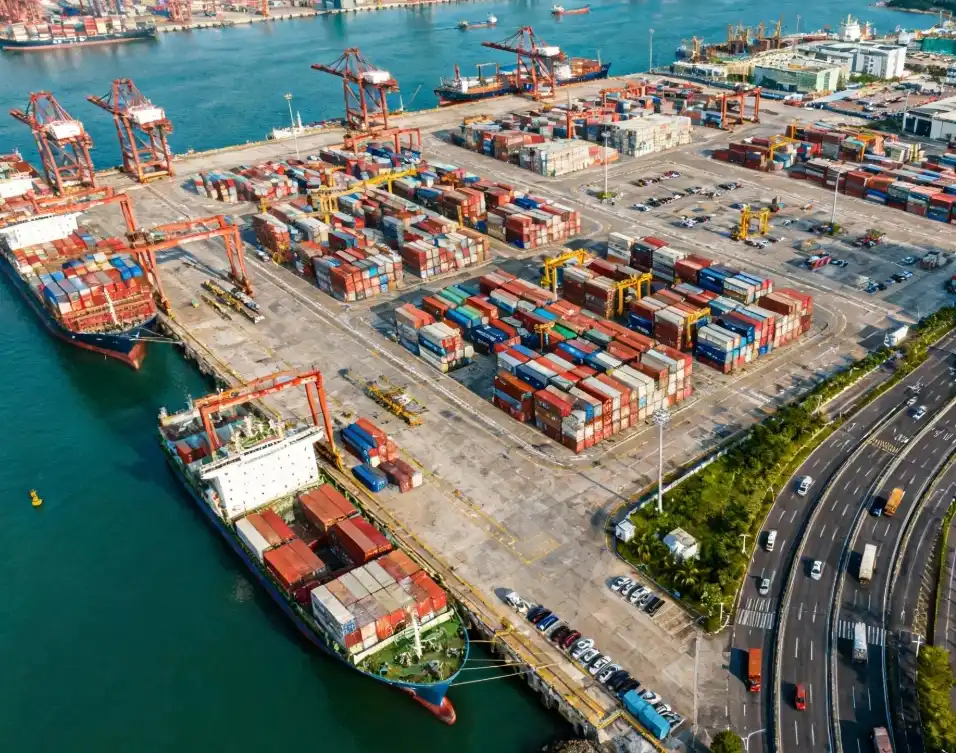
China's electronics manufacturing infrastructure and contract manufacturing concentrates in two regional clusters. These clusters matter, as each offers distinct advantages for different product categories and manufacturing strategies.
Manufacturing Clusters
The Pearl River Delta (Guangdong Province) includes Shenzhen, Dongguan, and Guangzhou.
This region is the world's most concentrated consumer electronics manufacturing ecosystem. It excels in:
- Rapid prototyping
- High-volume consumer products
- Same-day access to virtually any electronic component
Yangtze River Delta (Shanghai, Jiangsu, Zhejiang) includes Shanghai, Suzhou, Kunshan, and Hangzhou.
This region specializes in automotive electronics, industrial controls, and medical devices. As such, manufacturers typically prioritize quality and compliance over cost minimization.
This region offers:
- More sophisticated engineering talent
- Established automotive supply chains
- Proximity to major OEM headquarters
EMS vs. ODM/JDM in China
Terminology matters when sourcing in China:
- EMS providers manufacture products according to customer specifications without owning the design
- ODM (Original Design Manufacturers) own product designs that customers can rebrand and sell
- JDM (Joint Design Manufacturers) collaborate with customers on product development while sharing design responsibilities
Many Chinese manufacturers operate across multiple models. A factory may offer pure EMS for medical devices while also selling ODM smartphones under various brand names.
Captive EMS
Several large Chinese manufacturers primarily serve internal brands.
BYD Electronics, for instance, manufactures heavily for its parent company’s lines of electric vehicles and consumer electronics. Similarly, Luxshare supplies significant volumes to Apple.
When evaluating these providers, be aware that they may not be willing or able to accept external projects (especially if volumes don't reach their typical minimums).
Our Methodology: How We Selected These Providers
The 21 providers in this guide were selected based on the following criteria:
- Verified EMS/PCBA/box build operations with manufacturing presence in mainland China
- Documented certifications including ISO 9001 as a minimum, and ISO 13485, IATF 16949, or UL where industry-relevant
- Proven capabilities in NPI support, testing, supply chain management, and quality documentation suitable for international customers
- Publicly verifiable information from company websites, financial reports, industry rankings, or verified third-party sources
Note that manufacturing capabilities, site locations, and ownership structures change frequently. Always verify a provider’s current situation.
Tier 1: Global EMS Giants (High Volume)
These multinational manufacturers operate China's largest electronics production facilities, designed for mature products with annual volumes exceeding 100,000 units.
They offer the lowest per-unit costs at scale but typically enforce rigid MOQs, structured onboarding processes, and strict change-control requirements.
1. Hon Hai Precision (Foxconn)
- Locations in China: Shenzhen (Longhua, Guanlan), Zhengzhou, Chengdu, Taiyuan, and 10+ additional sites
- Core Capabilities: Full-scale PCBA/SMT, final assembly, mechanical integration, testing, global logistics, supply chain management
- Industries Served: Consumer electronics, computing, telecommunications, automotive, medical devices
- Best For: Ultra-high-volume consumer electronics and computing products with established demand
- Overview: Foxconn is the world's largest electronics manufacturer. It commands over 40% of the global EMS market share and employs approximately 900,000 workers during peak manufacturing season. Foxconn's China operations serve as primary production hubs for Apple iPhones and iPads, Microsoft Surface devices, Amazon Kindle, and Nintendo gaming consoles. Their scale enables industry-leading component pricing but requires substantial volume commitments, detailed BOMs, and clear testing specifications.
- Certifications to Verify: ISO 9001, ISO 14001, IATF 16949 (automotive sites), ISO 13485 (medical sites)
2. Pegatron Corporation
- Locations in China: Shanghai, Kunshan, Suzhou
- Core Capabilities: PCBA/SMT, system integration, mechanical assembly, testing, packaging
- Industries Served: Computing, communications, consumer electronics
- Best For: High-volume laptop, tablet, and networking equipment manufacturing
- Overview: Pegatron is the world's second-largest EMS provider. Established in 2008 as an offshoot of ASUS, the company operates multiple large-scale facilities in China's Yangtze River Delta, specializing in notebook computers, desktop systems, tablets, and networking equipment for major technology brands. Pegatron positions itself as a DMS (Design Integration Service Manufacturing) provider capable of supporting customers throughout product development.
- Certifications to Verify: ISO 9001, ISO 14001, IATF 16949
3. Wistron Corporation
- Locations in China: Kunshan, Zhongshan, Nanjing
- Core Capabilities: PCBA/SMT, system assembly, product testing, logistics management
- Industries Served: Information products, communication devices, consumer electronics, medical devices
- Best For: Smartphones, laptops, IoT devices, medical equipment
- Overview: Wistron specializes in information and communication technology products with significant manufacturing presence in China's Yangtze River Delta. Wistron operates with strong quality management systems and offers engineering support for customers requiring DFM optimization and production scaling.
- Certifications to Verify: ISO 9001, ISO 13485 (medical facilities), IATF 16949 (automotive)
4. Jabil Circuit
- Locations in China: Shanghai, Guangzhou, Wuxi, Chengdu
- Core Capabilities: Full product lifecycle services, PCBA, mechanical integration, testing, supply chain solutions
- Industries Served: Automotive, healthcare, industrial, telecommunications, packaging
- Best For: Industrial electronics, medical devices, automotive components, complex assemblies
- Overview: Unlike its consumer-focused competitors, Jabil specializes in automotive electronics, medical devices, industrial equipment, and telecommunications infrastructure – industries where reliability and documentation matter more than absolute cost minimization. The company offers comprehensive services from design and engineering through prototyping, volume manufacturing, and aftermarket support.
- Certifications to Verify: ISO 9001, IATF 16949, ISO 13485, ISO 14001
5. Flex Ltd.
- Locations in China: Zhuhai, Shenzhen, Suzhou, multiple additional sites
- Core Capabilities: Advanced manufacturing, automotive systems, medical devices, industrial electronics, supply chain management
- Industries Served: Automotive, healthcare, industrial, consumer devices, cloud infrastructure
- Best For: Automotive electronics, medical devices, industrial controls, networking equipment
- Overview: Founded in Silicon Valley in the late 1960s, Flex’s China facilities emphasize engineering collaboration, supply chain optimization, and quality systems suitable for the highly regulated industrial and automotive industries.
- Certifications to Verify: ISO 9001, IATF 16949, ISO 13485, ISO 14001
6. BYD Electronics
- Locations in China: Shenzhen, Huizhou, Changsha
- Core Capabilities: PCBA/SMT, mechanical design, assembly integration, tooling, testing
- Industries Served: Smartphones, computers, automotive electronics, IoT products, medical devices
- Best For: High-volume consumer electronics, automotive components, integrated assemblies
- Overview: A subsidiary of Chinese automative giant BYD, BYD Electronics is a leading EMS and ODM provider serving major technology brands. BYD Electronics serves customers including Apple, Xiaomi, Huawei, Samsung, and Honor with particular strength in smartphone and laptop assembly. The company also leverages its parent company’s expertise to supply automotive electronics and IoT products.
- Certifications to Verify: ISO 9001, IATF 16949, ISO 14001
7. Luxshare Precision Industry
- Locations in China: Dongguan, Kunshan, Suzhou, and additional facilities
- Core Capabilities: Precision connectors, wireless charging, acoustic components, PCBA, system assembly
- Industries Served: Consumer electronics, automotive, telecommunications
- Best For: High-precision consumer electronics components and assemblies
- Overview: Luxshare is China's third-largest EMS provider, focused on precision components and assemblies for premium consumer electronics brands. While the company accepts external projects, a significant portion of their capacity is devoted to manufacturing Apple products.
- Certifications to Verify: ISO 9001, IATF 16949, ISO 14001
Tier 2: Large China-Based EMS / Regional Specialists (Mid-High Volume)

These established China-based manufacturers offer strong PCBA ecosystems, responsive engineering support, and greater flexibility than Tier 1 giants.
They typically handle annual volumes from 5,000 to 100,000 units, while balancing scale and agility.
8. Universal Scientific Industrial (USI)
- Locations in China: Kunshan, Shenzhen, Shanghai
- Core Capabilities: PCBA/SMT, SiP (System-in-Package), modules, mechanical integration, testing
- Industries Served: Computing, telecommunications, automotive, industrial, consumer electronics
- Best For: Complex PCBA with miniaturization requirements, automotive modules, RF/wireless products
- Overview: A subsidiary of ASUS, USI provides comprehensive electronic manufacturing and design services with particular strength in System-in-Package technology and miniaturized electronics. The company serves customers requiring complex PCBAs with high component density, thermal management challenges, or regulatory compliance for automotive applications.
- Certifications to Verify: ISO 9001, IATF 16949, ISO 14001
9. Shenzhen Kaifa Technology
- Locations in China: Shenzhen (headquarters and main production)
- Core Capabilities: PCBA/SMT, box build, testing, supply chain management, product design
- Industries Served: Semiconductors, metering systems, IoT, industrial electronics, renewable energy
- Best For: Mid-to-high volume industrial electronics, smart metering, renewable energy systems
- Overview: Shenzhen Kaifa provides comprehensive services across supply chain management, R&D, design, manufacturing, and logistics. Kaifa serves customers in semiconductors, smart metering, IoT, and high-end electronics, including data storage and renewable energy systems.
- Certifications to Verify: ISO 9001, ISO 14001, industry-specific certifications for regulated products
10. KINPO Group
- Locations in China: Eastern China
- Core Capabilities: PCBA/SMT, system assembly, ODM design, testing, quality management
- Industries Served: Consumer electronics, printing and imaging, communications, semiconductors, power management
- Best For: Mid-volume consumer electronics, imaging equipment, power management products
- Overview: Taiwan-based KINPO Group operates extensive manufacturing facilities in China. The company provides total manufacturing solutions, design and development capabilities, and comprehensive quality management. KINPO has developed sophisticated quality management systems including manufacturing execution systems, statistical process control, and quality applications to meet Cpk requirements.
- Certifications to Verify: ISO 9001, ESD compliance, industry-specific quality certifications
11. 3CEMS Group
- Locations in China: Southern China
- Core Capabilities: Complete device assembly, PCBA, schematic design, IC programming, DFM optimization, component sourcing
- Industries Served: Environmental, aviation, space, military, automotive, telecommunications, medical equipment, computing
- Best For: Small-to large-volume batches, customers requiring extensive engineering support
- Overview: 3CEMS provides comprehensive solutions from design through manufacturing. The company handles production from small to large volume batches, providing design, prototyping, and manufacturing flexibility. 3CEMS maintains strong engineering capabilities and can optimize designs early in development to reduce costs and improve manufacturability. Their quality control systems include reliability and environmental testing, FAI/SFIS control, tool calibration, and certifications.
- Certifications to Verify: ISO 9001, UL, IPC Class 2/3, RoHS, REACH, industry-specific certifications
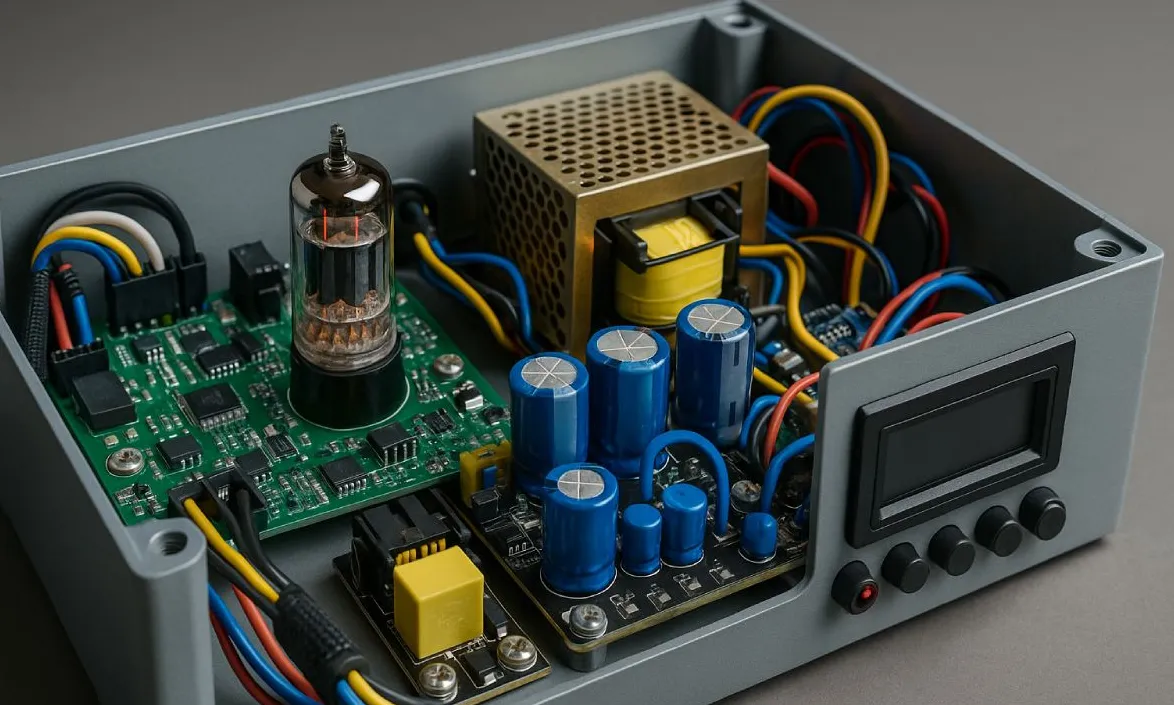
12. RYDER Industries
- Locations in China: Southern China
- Core Capabilities: Turnkey assembly, box build, conformal coating, wire harness, PCBA/SMT
- Industries Served: Audio, consumer electronics, safety and security, IoT, home appliances, automotive, telecommunications, precision controls, sports equipment
- Best For: Small-to medium-volume production requiring turnkey solutions
- Overview: RYDER Industries provides comprehensive EMS solutions from design through complex mechatronics assembly. The company operates two facilities in China employing over 3,500 skilled workers. The company has partnered with many top technology companies and earned customer trust through one-stop solutions, excellent manufacturing services, experience, and cutting-edge technology.
- Certifications to Verify: ISO 9001, customer-specific quality requirements
13. Viasion Technology
- Locations in China: Shenzhen (Bao'an District)
- Core Capabilities: PCB fabrication, PCB assembly, turnkey assembly, consignment assembly, box building, component sourcing, IC programming, testing
- Industries Served: Telecommunications, industrial electronics, medical devices, automotive, consumer electronics
- Best For: Small-to medium-batch PCB production, rapid prototyping, customers requiring comprehensive PCB services
- Overview: Viasion Technology was established in 2007 with focus on small to medium batch PCB production. The company combines experienced engineering team, professional workers, cutting-edge technology, and advanced R&D capabilities to provide superior services.
- Certifications to Verify: ISO 9001, UL, IPC Class 2/3, customer-specific requirements
14. MOKO Technology
- Locations in China: Shenzhen and additional facilities
- Core Capabilities: Electronic design, mechanical design, embedded design, DFM, PCBA, prototyping, lifecycle management
- Industries Served: Automotive, communications networks, LED, industrial electronics, IoT, medical equipment, renewable energy
- Best For: Customers requiring close engineering collaboration, custom board manufacturing
- Overview: MOKO Technology provides comprehensive capabilities, using advanced technology for high-quality products and thorough testing at every production stage. MOKO serves highly regulated industries, like medical and automotive, while also offering custom board manufacturing services.
- Certifications to Verify: ISO 9001, industry-specific quality certifications
Tier 3: Niche & Integrated Turnkey Assemblers (High Mix)
These specialized manufacturers excel at complex builds requiring electronics plus electro-mechanical integration with faster iteration cycles.
They typically handle prototypes through medium volumes (500-20,000 units annually) and provide comprehensive engineering support throughout product development and production scaling.
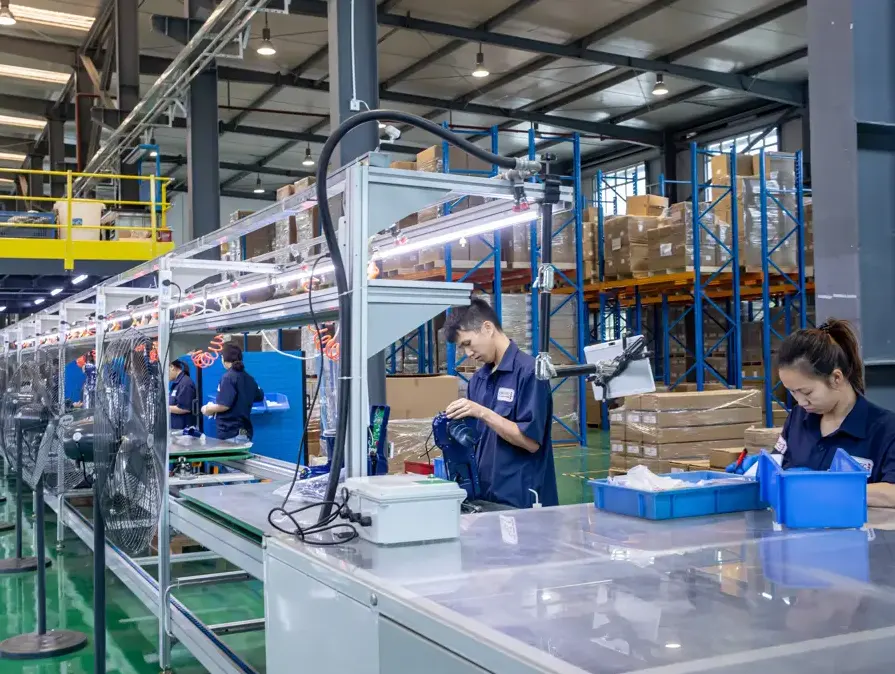
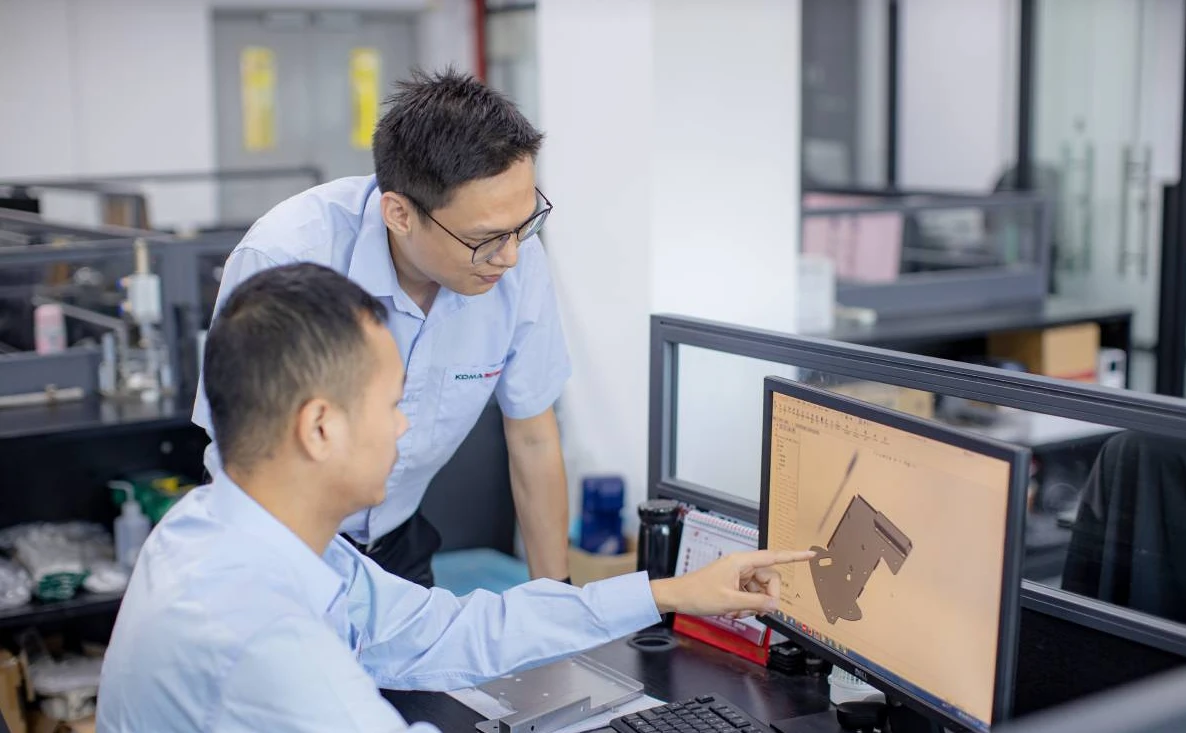
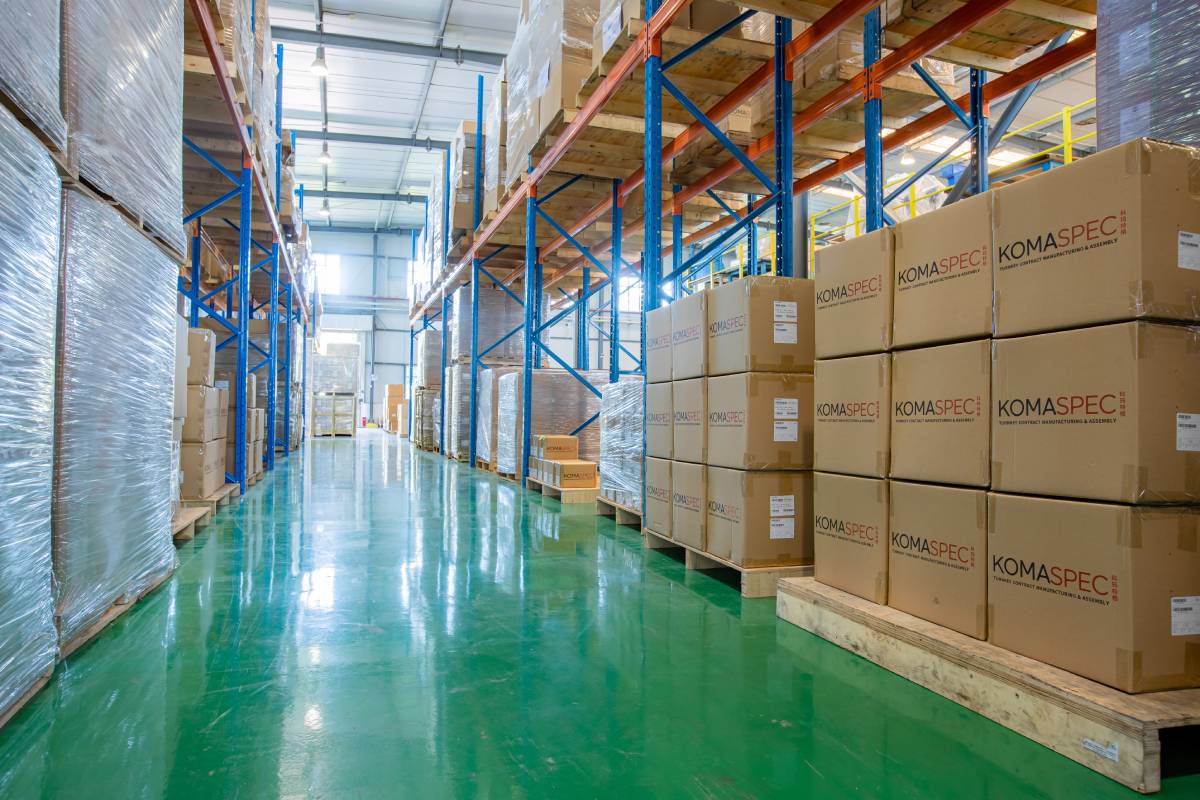
15. Komaspec (Guangzhou)
- Locations in China: Guangzhou (Huadu District, Huashan Industrial City)
- Core Capabilities: Turnkey electro-mechanical assembly, sheet metal fabrication, laser cutting, stamping, tube/pipe processing, plastic injection, PCBA integration, box build, testing
- Industries Served: Industrial equipment, instrumentation, IoT devices, medical devices, telecommunications, precision controls
- Best For: Complete turnkey manufacturing requiring mechanical and electronic integration, high-mix/low-to-medium volume
- Integration Strengths: In-house sheet metal fabrication, CNC machining, tube bending, plastic injection molding, cable harness assembly, conformal coating, functional testing, packaging
- Overview: Komaspec operates as a Canadian-owned turnkey contract manufacturer with over 20 years of experience providing complete electro-mechanical assembly solutions. The company’s comprehensive approach allows customers to consolidate vendors and simplify project management for complex industrial products requiring close coordination between mechanical enclosures and electronic assemblies. Komaspec specializes in high-mix environments where products require frequent design iterations, engineering collaboration, and full turnkey solutions from prototyping through production.
- Certifications to Verify: ISO 9001:2015, customer-specific quality requirements
16. IBE Electronics
- Locations in China: Shenzhen (Tangtou, Shiyan, Bao'an District)
- Core Capabilities: Design and engineering, PCB fabrication, PCB assembly, supply chain management, logistics, testing, after-sale services, lifecycle management
- Industries Served: Multiple sectors requiring comprehensive EMS support
- Best For: Companies requiring full lifecycle support from design through production and after-sales
- Integration Strengths: Three dedicated factories for PCB production, OEM/ODM services, and complete EMS solutions
- Overview: IBE Electronics provides comprehensive solutions spanning industrial design, R&D, manufacturing, and marketing. The company operates three factories dedicated to PCB production, OEM/ODM services, and electronics manufacturing services. IBE’s services include design and engineering capabilities, logistics, after-sale services, lifetime management, supply chain management, and comprehensive testing.
- Certifications to Verify: ISO 9001, IATF 16949, FDA (if applicable), CE, UL, RoHS, REACH
17. Shenzhen Zowee Technology
- Locations in China: Shenzhen (headquarters), multiple production sites
- Core Capabilities: Mold development and manufacturing, spray printing, PCB manufacturing and assembly, product assembly and packaging, system integration and testing, supply chain management
- Industries Served: Various sectors requiring comprehensive manufacturing solutions
- Best For: Customers requiring vertically integrated manufacturing from tooling through final assembly
- Integration Strengths: In-house mold making, surface finishing, complete assembly, comprehensive testing
- Overview: Shenzhen Zowee Technology has developed extensive R&D centers enabling high-quality end products. Zowee ensures consistent quality by maintaining careful employee oversight and dedication at each production stage, reducing errors and guaranteeing quality.
- Certifications to Verify: ISO 9001, environmental certifications, customer-specific requirements
![[contract manufacturing products]](/media/gs4lq23k/watch-2.webp)
18. ABP Electronics
- Locations in China: Shenzhen (Zhuguang Innovation Science & Technology Park), Dongguan
- Core Capabilities: PCB fabrication (standard and advanced), PCB assembly, component sourcing, turnkey solutions
- Industries Served: Multiple sectors requiring PCB-focused EMS services
- Best For: Customers requiring comprehensive PCB services from fabrication through assembly
- Integration Strengths: Two factories with modern equipment, 24/7 customer service, established quality systems
- Overview: ABP Electronics operates two factories in Shenzhen and Dongguan, providing full PCB and PCBA project services. ABP prioritizes customer satisfaction with 99% customer happiness rate, 24/7 customer service availability, and 95% on-time delivery guarantee. ABP’s services include designing and prototyping to standard PCB fabrication, advanced PCB fabrication, PCB assembly, and electronic component sourcing.
- Certifications to Verify: ISO 9001, IATF16949, ISO13485, UL, RoHS
19. Keytronic
- Locations in China: Shanghai (Wai Gao Qiao Free Trade Zone)
- Core Capabilities: Product design, engineering, prototyping, PCB assembly, full product manufacturing, testing
- Industries Served: Multiple sectors requiring comprehensive EMS support
- Best For: Customers needing comprehensive assistance throughout the product development cycle
- Integration Strengths: Full product design capabilities, prototyping, engineering support
- Overview: Keytronic’s facility in Shanghai's Free Trade Zone offers comprehensive services including engineering support, prototyping, PCB assembly, and complete product manufacturing with thorough testing protocols. The company emphasizes seamless integration of customer supply chain requirements throughout the manufacturing process.
- Certifications to Verify: ISO 9001, customer-specific requirements
20. Tortai Technologies
- Locations in China: Dongguan (Humen)
- Core Capabilities: User-interface assemblies, electronic assembly fabrication, membrane switches, custom assemblies
- Industries Served: Industrial controls, medical equipment, automation equipment
- Best For: User-interface products, membrane switch assemblies, specialized control panels
- Integration Strengths: Specialized in user-interface assemblies and custom electronic fabrication
- Overview: Since 2007, Tortai Technologies has designed and built products for long-lasting professional use in industrial controls, medical equipment, and automation markets. Tortai specializes in user-interface assemblies, membrane switches, and custom electronic assemblies requiring specialized expertise and attention to detail for professional-grade applications.
- Certifications to Verify: ISO 9001, industry-specific quality requirements
21. Shenzhen Kinwong Electronic
- Locations in China: Shenzhen (Bao'an District, Xixiang Street)
- Core Capabilities: PCB R&D, production, sales of printed circuit boards and high-end electronic assemblies
- Industries Served: Various high-tech sectors requiring advanced PCB solutions
- Best For: Advanced PCB fabrication and high-end electronic assemblies
- Integration Strengths: Strong R&D capabilities, advanced PCB technologies
- Overview: Kinwong Electronic operates as a world-leading high-tech company in R&D, production, and sales of printed circuit boards and high-end electronic assemblies. The company maintains advanced research and development capabilities supporting sophisticated PCB technologies and complex electronic assemblies for demanding applications across various high-tech industries.
- Certifications to Verify: ISO 9001, industry-specific quality standards
Summary: Which Tier Fits Your Project?
Selecting the right EMS partner depends primarily on your production volume, product complexity, engineering support needs, and quality requirements.
| Tier | Ideal Annual Volume | Ideal Product Type | Best For | Trade-offs |
|---|---|---|---|---|
| Tier 1: Global Giants |
>100,000 units/year |
Mature, stable programs with proven demand |
Lowest unit cost at scale, established supply chains, proven quality systems |
Higher MOQ requirements, less flexibility for design changes, structured onboarding |
| Tier 2: Regional Specialists |
5,000-100,000 units/year |
PCBA-led programs requiring engineering collaboration |
Balance of scale and responsiveness, strong engineering support, flexible MOQs |
Capabilities may vary by site, require careful qualification |
| Tier 3: Niche Assemblers |
500-20,000 units/year |
High-mix integrated builds, complex assemblies |
Fast NPI cycles, turnkey integration, hands-on engineering collaboration |
Higher unit costs vs. scale players, lower automation levels |
Additional Selection Criteria
Beyond volume and product type, consider these factors when evaluating Chinese EMS providers:
Engineering/NPI Support
- Tier 1: Expect production-ready designs; limited DFM feedback
- Tier 2: Provide DFM/DFT reviews and optimization recommendations
- Tier 3: Offer collaborative design refinement throughout NPI
Regulatory Requirements
- Medical devices: Verify ISO 13485 certification and FDA registration (if applicable)
- Automotive: Require IATF 16949 certification
- Export markets: Confirm CE, UL, RoHS compliance as needed
Supply Chain Ownership
- Consigned: You procure components and ship to manufacturer (greater control, higher management overhead)
- Turnkey: Manufacturer sources components (simplified management, requires trust in component quality)
- Hybrid: Critical components consigned, commodity parts sourced by manufacturer
Lead Time Expectations
- Tier 1: Longer lead times (12-16 weeks typical) due to capacity planning
- Tier 2: Moderate lead times (8-12 weeks) with more flexibility
- Tier 3: Shorter lead times (6-10 weeks) for smaller volumes
IP Protection Measures
- Establish formal NDA before sharing technical documentation
- Request secure data rooms for design file access with audit trails
- Specify component suppliers directly to prevent unauthorized substitutions
- Include IP ownership clauses in manufacturing agreements
- Consider split manufacturing (critical assemblies at different suppliers)
Communication and Reporting
- Tier 1: Formal reporting structures, designated account managers
- Tier 2: More direct access to engineering and operations teams
- Tier 3: Often direct owner/operator involvement, faster decision-making
Practical Vendor Selection Checklist for China
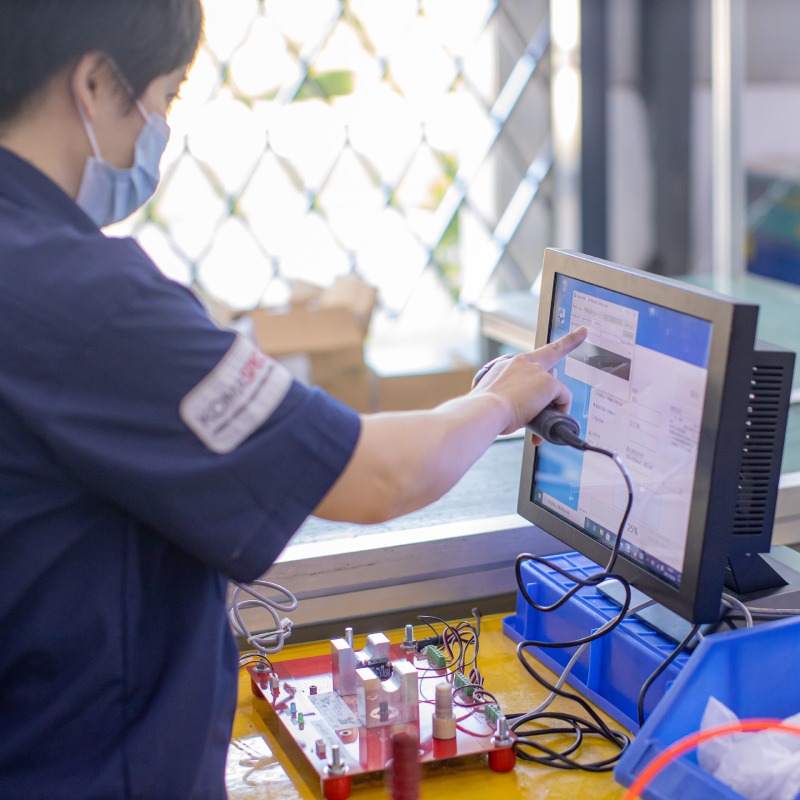
Follow this systematic approach when qualifying Chinese EMS providers:
1. Define Requirements Clearly
- Target annual volumes and expected ramp schedule
- Number of variants/SKUs and frequency of design changes
- Target markets and required compliance (CE, UL, FCC, CCC, etc.)
- Test strategy: ICT, functional test, burn-in requirements
- Quality standards: AQL levels, inspection sampling, documentation
2. Prepare Comprehensive RFQ Package
- Complete Gerber files (all layers, drill files, fabrication notes)
- Detailed BOM with manufacturer part numbers and approved alternates
- Assembly drawings with component placement and polarity
- Mechanical drawings for enclosures and integration
- Test requirements and acceptance criteria
- Quality and packaging specifications
3. Request DFM + DFT Review
- Component footprint verification and PCB design rules check
- Test point accessibility analysis
- Manufacturability assessment: component availability, assembly complexity
- Cost reduction recommendations without compromising functionality
4. Plan Structured Pilot Builds
- EVT (Engineering Validation Test): Verify basic functionality and major design elements
- DVT (Design Validation Test): Validate design meets all specifications under various conditions
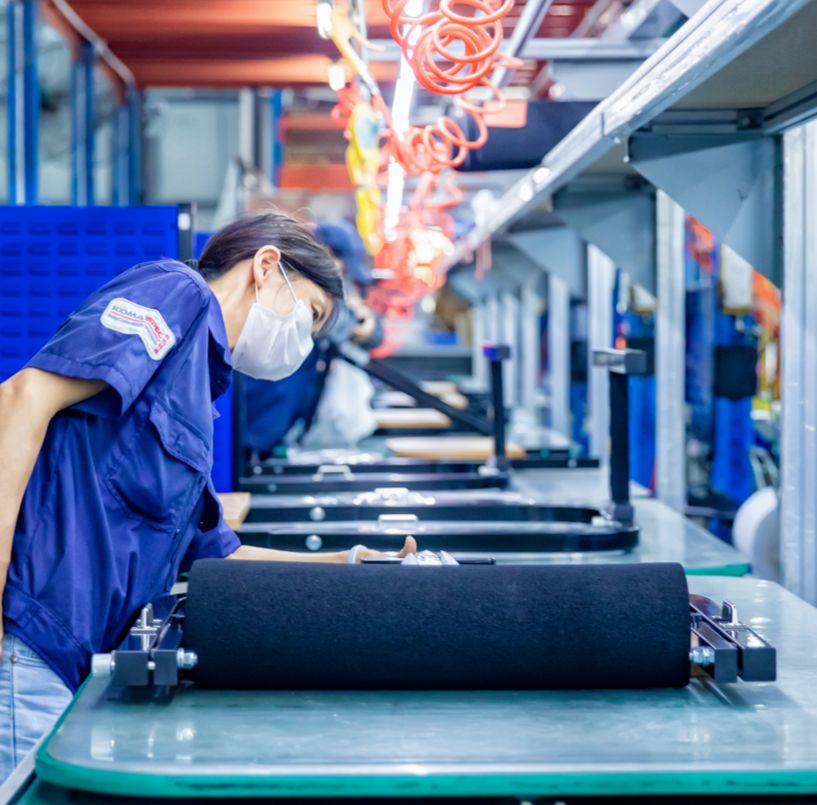
- PVT (Production Validation Test): Confirm manufacturing process stability at target volume
- Define clear acceptance criteria for each phase
5. Conduct Factory Audit
- ESD control: Wrist straps, mats, ionizers, monitoring systems
- Incoming inspection: Component verification, traceability systems
- Process control: Reflow profiles, wave soldering parameters, AOI/X-ray inspection
- Calibration: Regular calibration schedules for test equipment
- Traceability: Lot tracking, serialization capabilities, test data retention
6. Establish Quality and Change Control
- Approved Vendor List (AVL) with qualification requirements for component substitutions
- Deviation request process: How to handle component shortages or obsolescence
- Engineering Change Notice (ECN) approval workflow with customer sign-off requirements
- RMA handling: Return process, root cause analysis, corrective actions
7. Agree on Commercial Terms
- Tooling ownership: Who owns fixtures, test jigs, molds after project ends?
- Payment terms: Standard NET 30/60 or deposits required for new customers?
- Incoterms: FOB, CIF, DAP clarifying responsibility transfer points
- Warranties: Duration, coverage, remedy process for defects
8. Create Production Ramp Plan
- Capacity readiness: Line assignment, material buffers, staffing levels
- Yield targets: Expected yields at each production stage with improvement timeline
- Line balancing: Takt time analysis to eliminate bottlenecks
- Reporting cadence: Weekly production reports, quality metrics, on-time delivery performance
Common Pitfalls When Sourcing EMS in China
Avoid these frequent mistakes that cause project delays, quality issues, or unexpected costs.
Under-Specified Testing
- Problem: Accepting basic visual inspection and power-on testing without comprehensive functional validation
- Result: Field failures when environmental conditions or usage differ from factory testing
- Solution: Define thorough test specifications, including boundary conditions, stress testing, and environmental testing before pilot builds
Uncontrolled Component Substitutions
- Problem: Manufacturer substitutes components to manage shortages or improve margins without customer approval
- Result: Product performance degrades, regulatory compliance compromised, or field failures increase
- Solution: Establish clear AVL with approved alternates, require customer approval for any deviations, implement lot-level traceability
Unclear Tooling Ownership
- Problem: Ambiguous agreements about who owns test fixtures, jigs, and molds after production ends
- Result: Inability to transfer production to alternate supplier, unexpected costs when changing vendors
- Solution: Specify tooling ownership explicitly in contracts, maintain separate payment line items for tooling, request tooling design files
No Written Change-Control Process
- Problem: Informal handling of design changes, component substitutions, or process modifications
- Result: Surprises in cost, lead time, quality, or inability to trace when problems occurred
- Solution: Implement formal ECN process requiring customer approval, documentation of all changes, revision tracking
Over-Optimizing Unit Cost Too Early
- Problem: Focusing exclusively on lowest unit price before stabilizing design and validating quality
- Result: Poor quality from lowest-cost provider, redesigns necessary, project delays
- Solution: Prioritize NPI success and quality stability first, then optimize costs after
Frequently Asked Questions
1. What is the difference between EMS and ODM/JDM?
EMS (Electronics Manufacturing Services) providers manufacture products according to customer designs and specifications. The customer retains rights over the intellectual property, controls design decisions, and typically provides detailed manufacturing documentation. EMS excels when you have proprietary designs or require tight control over specifications.
ODMs (Original Design Manufacturers) own product designs that customers can rebrand and sell. The manufacturer controls the IP, offers standard products with customization options, and enables faster market entry without design investment. ODM works well for companies seeking proven designs without R&D overhead.
JDMs (Joint Design Manufacturers) collaborate with customers on product development, sharing design responsibilities and sometimes IP ownership. This model bridges EMS and ODM, offering engineering support while accommodating customer requirements.
2. Which certifications should I require?
Required certifications depend on your target markets and product category:
- Universal Baseline: ISO 9001 (quality management system)
- Automotive Electronics: IATF 16949 (automotive quality standard)
- Medical Devices: ISO 13485 (medical device quality system), FDA registration if selling in USA
- Export to Europe: CE marking, RoHS compliance
- Export to USA: UL certification for safety-critical products, FCC for wireless products
- China Domestic Sales: CCC (China Compulsory Certification) for regulated product categories
Always verify certifications directly with issuing bodies rather than the manufacturer.
3. How long does onboarding typically take?
Onboarding timelines vary significantly by provider tier and product complexity:
Tier 1 Global Giants: 16-24 weeks
- Formal supplier qualification process
- Multiple review cycles for documentation
- Capacity planning and line assignment
- Extensive pilot build requirements
Tier 2 Regional Specialists: 12-16 weeks
- Moderate qualification requirements
- DFM review and optimization cycle
- EVT/DVT/PVT pilot builds
- Process validation and first article inspection
Tier 3 Niche Assemblers: 8-12 weeks
- Streamlined qualification process
- Rapid DFM feedback
- Combined pilot builds
- Faster iteration cycles
Complex products requiring custom tooling, extensive testing, or regulatory submissions extend timelines by 4-8 weeks regardless of tier. Factor additional time for any necessary certification work.
4. How can I reduce IP risk and manage documentation access?
Protecting intellectual property in China requires proactive measures.
Legal foundations:
- Register patents, trademarks, copyrights in China before disclosure
- Execute comprehensive NDAs before sharing technical information
- Include IP protection clauses in manufacturing agreements
- Specify Chinese jurisdiction and arbitration venues in contracts
Operational controls:
- Use secure data rooms with access logging and download restrictions
- Provide only information necessary for manufacturing (avoid algorithm source code)
- Implement component traceability to prevent unauthorized production
- Conduct regular audits with announced and surprise inspections
- Consider split manufacturing where different suppliers handle critical assemblies
Strategic approaches:
- Source critical/proprietary components directly and consign to manufacturer
- Retain control of firmware, calibration files, or programming
- Build relationships gradually, starting with less sensitive products
- Work with established manufacturers having reputation to protect
5. Who should own component sourcing?
There are three models, each with different trade-offs.
Manufacturer Turnkey Sourcing
- Advantages: Simplified management, manufacturer economies of scale, faster procurement
- Risks: Less control over component selection, counterfeit risk, unauthorized substitutions
- Best For: Standard components, high-volume production, established manufacturer relationships
Customer Consigned Components
- Advantages: Total control over component selection, verified authenticity, regulated industries
- Risks: Higher management overhead, inventory risk, procurement complexity
- Best For: Critical/proprietary components; aerospace, medical, or military applications; low-volume production
Hybrid Model
- Customer consigns critical ICs, specialized components, and single-source items
- Manufacturer sources commodity passives, connectors, and standard components
- Balances control with convenience
6. What payment terms are common and how do they evolve?
Payment terms typically evolve as the relationship with the manufacturer matures.
New customers (first 1-3 orders):
- 50% deposit upon order, 50% before shipment
- Letter of credit for large orders
- 100% prepayment for very small orders or prototypes
Established customers (good payment history):
- NET 30 from shipment date
- NET 60 for larger customers with strong financials
- Milestone payments for large projects (30/40/30 splits)
Strategic customers (high volumes, long-term contracts):
- NET 60-90 terms
- Consignment inventory arrangements
- VMI (Vendor Managed Inventory) programs
Terms also depend on the size of the manufacturer, with smaller providers often requiring more favorable payment terms due to capital restraints.
7. Can I visit or audit factories? What should I look for when I do?
Most professional EMS providers welcome factory audits for serious prospective customers.
Here's what to examine.
Manufacturing floor:
- ESD controls: Proper grounding, wrist straps, ionizers, monitoring systems
- Cleanliness: Organized workspaces, dust-free environments for sensitive assemblies
- Equipment Maintenance: Calibration stickers, maintenance logs, modern equipment
- Work Instructions: Clear documentation at each station, revision-controlled
Quality systems:
- Incoming Inspection: Component verification, traceability implementation
- In-process Inspection: AOI, X-ray inspection for BGAs, ICT testing
- Final Inspection: Functional testing, cosmetic inspection, packaging verification
- Calibration Programs: Regular calibration schedules, traceable standards
Material management:
- Component Storage: Temperature/humidity-controlled storage, moisture-sensitive component handling
- Traceability Systems: Lot tracking, serialization capabilities, database integrity
- Inventory Controls: FIFO implementation, component lifecycle management
Documentation and systems:
- Quality Records: Test data retention, traceability to customer orders
- Change Control Processes: ECN workflows, approval requirements
- Certifications: Current certificates posted, scope verification
Schedule audits during normal production hours to observe actual operations rather than staged demonstrations.
8. What testing is a must-have before scaling production?
Essential testing varies by product complexity but should include the following.
Electrical testing:
- ICT (In-Circuit Test): Verifies component values, placement, and basic connections
- Boundary Scan (JTAG): Tests complex ICs and interconnections without physical test points
- Flying Probe: Alternative to ICT for low-volume or high-mix production
Functional testing:
- Power-on Test: Verifies basic functionality and current consumption
- Full Functional Test: Exercises all features according to specification
- Boundary Condition Testing: Validates performance at temperature/voltage extremes
Environmental testing (pilot builds):
- Temperature Cycling: -40°C to +85°C for industrial products
- Humidity Testing: 85°C / 85% RH for moisture resistance
- Vibration Testing: Simulates shipping and operating conditions
- Drop Testing: Validates mechanical robustness
- Regulatory testing (as required):
- Safety Testing: Electrical safety, flammability, mechanical hazards
- EMI/EMC: Emissions and susceptibility testing
- RF Testing: For wireless products
The cost of extensive testing is negligible compared to field failures or product recalls.
Conclusion
China's electronics manufacturing services ecosystem offers unparalleled scale, technical capabilities, and supply chain depth. Success requires matching the provider’s capabilities to your specific requirements:
- Tier 1 for proven products at massive scale
- Tier 2 for balanced scale and flexibility
- Tier 3 for complex integrated assemblies with hands-on engineering support
Effective China EMS sourcing follows a structured approach:
- Define requirements clearly and prepare comprehensive RFQ packages
- Conduct thorough DFM reviews
- Execute systematic pilot builds
- Audit facilities personally
- Establish formal quality and change-control processes
- Agree on transparent commercial terms.
Regional manufacturing clusters maintain distinct advantages. Pearl River Delta is ideal for consumer electronics and rapid prototyping, while the Yangtze River Delta excels at automotive and regulated products.
Understanding these dynamics and selecting providers aligned with your product needs will position your project for success.
Komaspec is a Canadian-owned contract manufacturer with over 20 years of experience helping companies scale production. With facilities in China, Vietnam, and Mexico, we offer turnkey manufacturing solutions tailored to your needs—from prototyping to mass production.