
What Is New Product Introduction (NPI) and Why It Should Be Your First Step in Manufacturing
- Key Takeaways
- What is the NPI Process?
- Goals and Benefits
- Testing Your Design
- Common Challenges in NPI
- How to Optimize Your NPI Plan
- Key Skills for NPI Success
- Komaspec NPI
- FAQs
Almost half of all product launches — 45%, according to Gartner — miss their deadlines by a month or more. It's a massive problem, and it happens everywhere, from scrappy startups to enterprise giants.
That's where New Product Introduction (NPI) comes in.
NPI is the playbook that brands and manufacturers follow to turn ideas into physical products that can be manufactured reliably, effectively and on time, and sold to the right target audiences. These are some steps that need to be built into your workflow from day one every time you plan to launch a new product.
The process makes it so that your team can identify manufacturing problems while they are still easy (and economical) to fix.
In this article, you will understand what NPI actually is, where things usually go wrong, and how to build a process that won't fall apart under pressure.
Key Takeaways
- The cost of fixing a problem scales dramatically the later you catch it. New Product Introduction exists to pull those problems as early in the timeline as possible, when fixing them is still manageable.
- The design phase is where your product's economics get decided. What it costs to build, and whether those costs are manageable, largely depends on decisions made long before the first unit is produced.
- Hardware validation has three distinct stages, each one answering a different question about whether the product and the factory are ready.
- Undocumented and late-stage design changes are among the most common NPI mistakes. Tweaks that appear small can invalidate weeks of validation work, and if they affect tooling, they also add cost to the project.
Table of Contents
- Key Takeaways
- What is the New Product Introduction Process?
- Goals and Benefits of NPI in Manufacturing
- How Does New Product Introduction Work In Manufacturing
- Testing Your Design During NPI: EVT, DVT, and PVT
- Common Challenges in New Product Introduction
- How to Optimize Your New Product Introduction Plan
- Key Skills for NPI Success
- How Komaspec Supports Your New Product Introduction Program
- FAQs
What is the New Product Introduction Process?
New Product Introduction is essentially the roadmap that guides your product through its critical phases: design, testing, gearing up for manufacturing, marketing, and the final launch. It's a massive team effort, usually driven by a project manager working alongside department reps, key stakeholders, and your manufacturing partners.
The secret to making it work is to start early. You want this system up and running long before your designs are locked in and long before you've spent a fortune on tooling.
This way, you can work calmly through all the steps the product needs to ensure a successful launch, such as:
- Translating user requirements into engineering requirements
- Defining repeatable processes
- Validating design and usability before moving to high volume production
- Aligning the goals of each team (like design, marketing, finances, and sales)
At its core, NPI is a system of "gates" and "checks," where you objectively verify that your product is ready before moving forward.
The sooner you perform these analyses, the better your project will flow.
If you delay this process — or fail to carry it out at all — you run the risk of encountering costly problems right before launch. For instance, if your designers are making decisions without consulting the factory, you may have to change the product's price at the last minute because you didn't account for hard tooling costs, or because you chose specialized materials that are harder to source.
So, bring your NPI team to the table early, because that's when they actually have the power to shape the final product and save you a massive headache later.
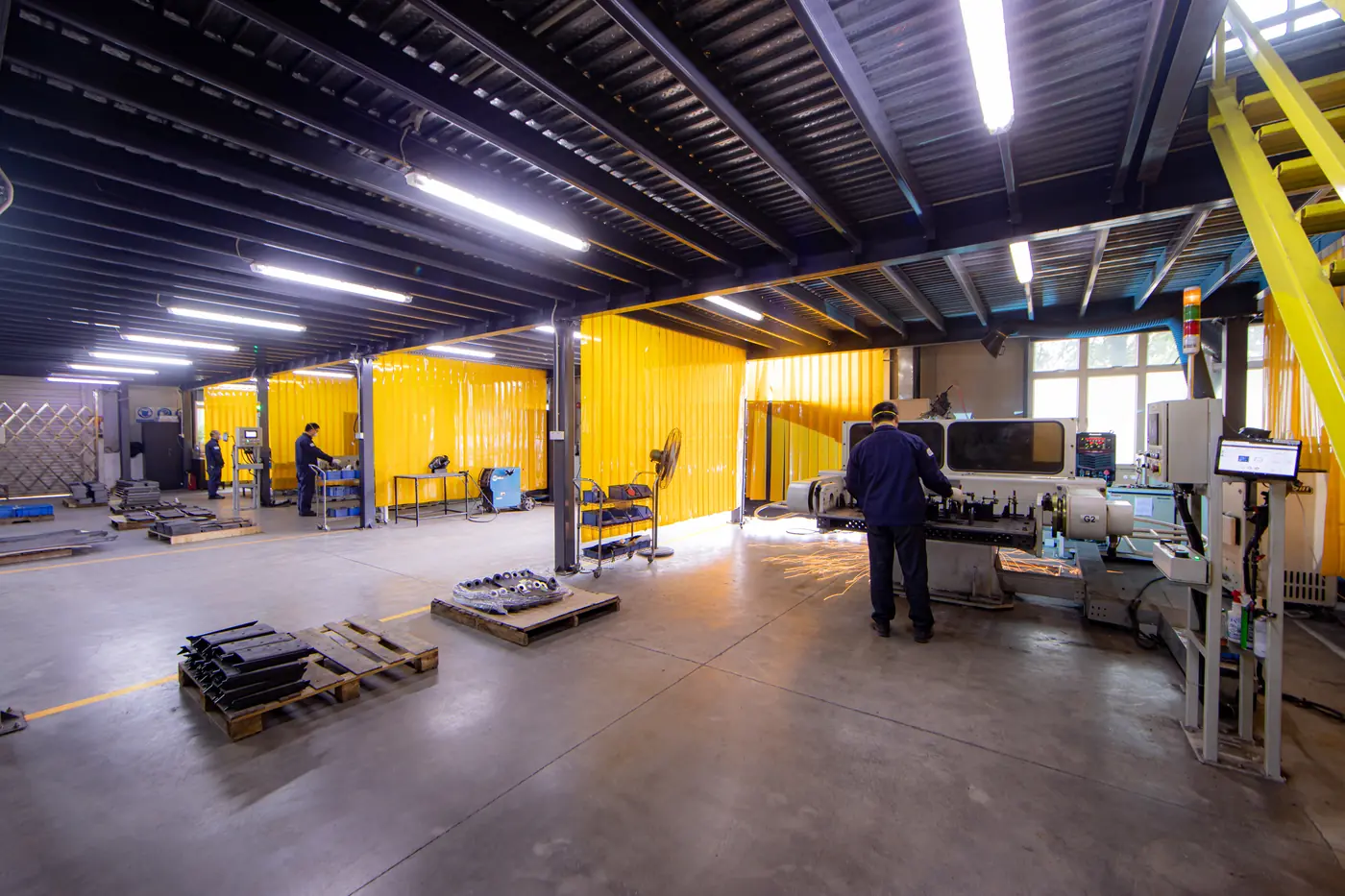
The difference between New Product Introduction (NPI) and New Product Development (NPD)
People often mix up New Product Introduction with New Product Development (NPD), but there are clear differences between both processes.
NPD is all about the upfront creative work (brainstorming, conceptualizing, and designing the product).
NPI is what happens next. It picks up the baton to handle the heavy lifting of getting the product made: prepping the factory floor, securing the supply chain, and actually launching it so you can sell it at scale.
NPD and NPI usually occur in parallel. If you wait to complete the entire product development process before considering manufacturing, you run the risk of discovering too late that the project is impossible to produce within the available timeframe and budget.
In this scenario, all the time invested in refining the "perfect product" may be wasted. By developing the product and the manufacturing process at the same time, these problems surface early on, when they are still inexpensive and easy to correct.
Goals and Benefits of NPI in Manufacturing
The main reason companies invest in NPI is to reduce risk. The financial payoff is so clear that it's usually an easy sell to leadership. By factoring in customer needs and manufacturing limits early in the design phase, you avoid the endless redesign loops that completely blow up your budget.
Beyond controlling costs, a New Product Introduction Process delivers many other benefits:
- Faster time to market. With a defined process, engineering, sourcing, and manufacturing teams work in parallel, cutting weeks off the timeline. This approach prevents bottlenecks and eliminates rework cycles.
- Your quality consistently improves. The testing process enables you to identify problems before they become difficult to solve. It's much easier to fix a problem during the validation process than after a few thousand units are already made.
- Production becomes a breeze. By thinking about manufacturing and assembly early on, you stop overcomplicating the design. You end up with a product that's cheaper to build, easier to put together, and keeps your costs exactly where they belong.
- Your reputation stays protected. Nailing a launch on time and on budget does more than protect your margins; it protects your reputation. Customers who see you deliver on your promises stay loyal. Those who don't, go to a competitor.
If you want to make sure your next product launch hits these marks, contact Komaspec to find out how our NPI program can support your project from early design through to production.
How Does New Product Introduction Work In Manufacturing
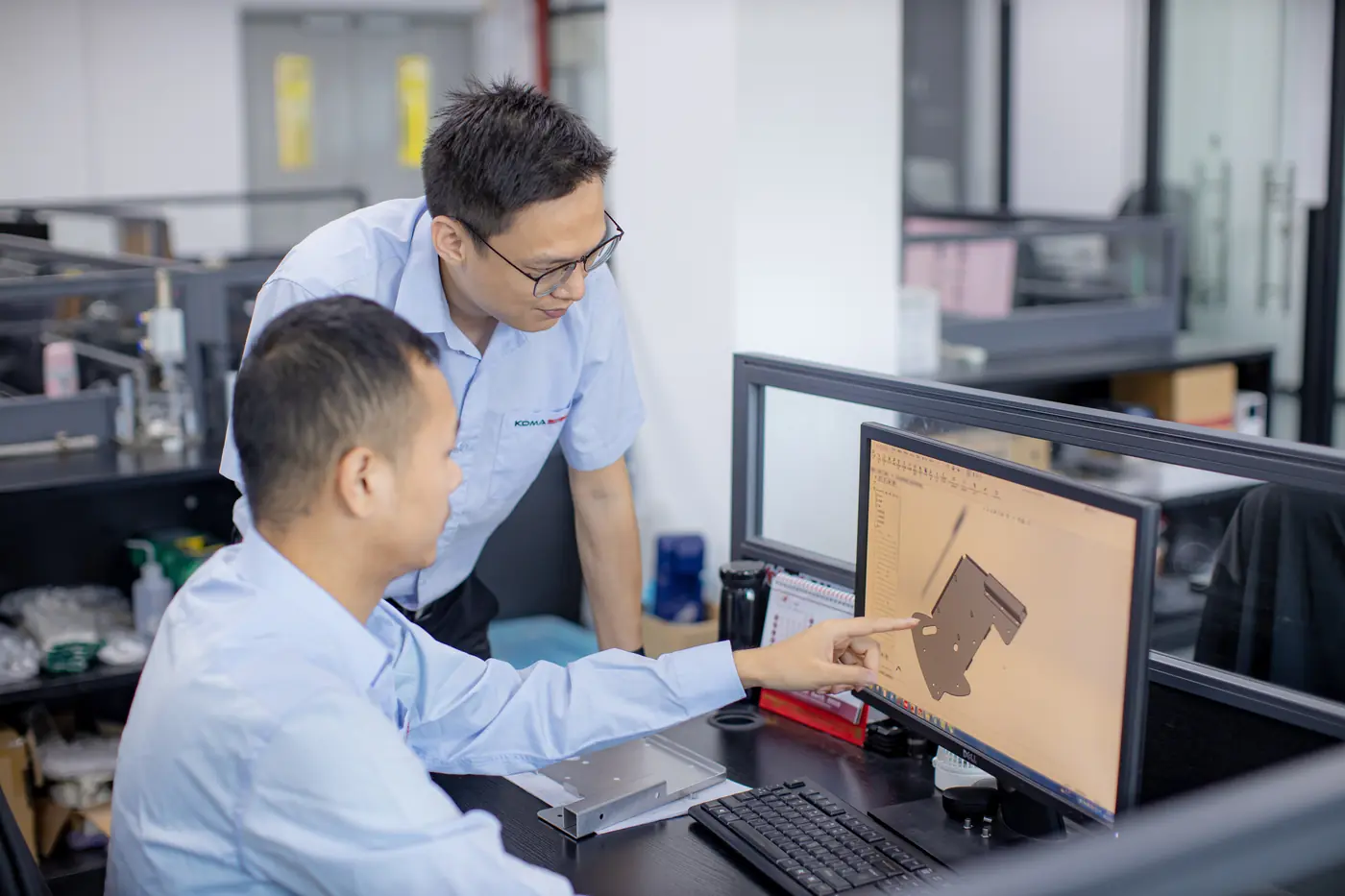
New Product Introduction goes through a number of steps that move the product from literally the first thought until it becomes available on the shelves.
There may be different nomenclatures, and the number of stages may differ according to various sources, but in essence, they all talk about similar processes, with similar goals — to make manufacturing predictable and repeatable to bring the product to market within the shortest time and within the correct price range.
Here is how the process breaks down:
- Ideation: This is where you brainstorm, gather market research, customer feedback, and internal insights to find the best opportunities, and define which ones are worth pursuing, from a market and business point of view.
- Product Conceptualization: Here, you define your target market, pricing, and key features. You also start pressure-testing your assumptions. If you don't have a solid plan for how you'll actually build the product, you need to figure that out now before you hit a wall later.
- Feasibility Analysis: Before committing to heavy development, you need to confirm the product can be built to your quality and volume standards at a price that makes sense. This is your first real reality check, and the cheapest point in the process to find out if you need to pivot.
- Product Development: CAD modeling, prototyping, design testing happen here, along with Design for Manufacturing (DFM) and Design for Assembly (DFA) reviews.
- Testing and Validation: The product goes through a formal validation sequence with strict entry and exit criteria. You don't move forward until the product has proven it can meet spec.
- Launch Planning: Commercial and operational efforts come together here. Production schedules, inventory planning, sales channel prep, marketing — everything gets synchronized so the supply chain can handle volume from day one.
- Commercialization: The NPI doesn't end when the product is live. Your team must monitor early production quality and supplier performance closely, ready to move fast on any issues that surface when you go from controlled validation to full-speed production.
- Post-Launch Review: NPI is a loop, not a finish line. In this step, the team documents what worked and what didn't, so that institutional knowledge carries into the next project instead of getting lost.
Testing Your Design During NPI: EVT, DVT, and PVT
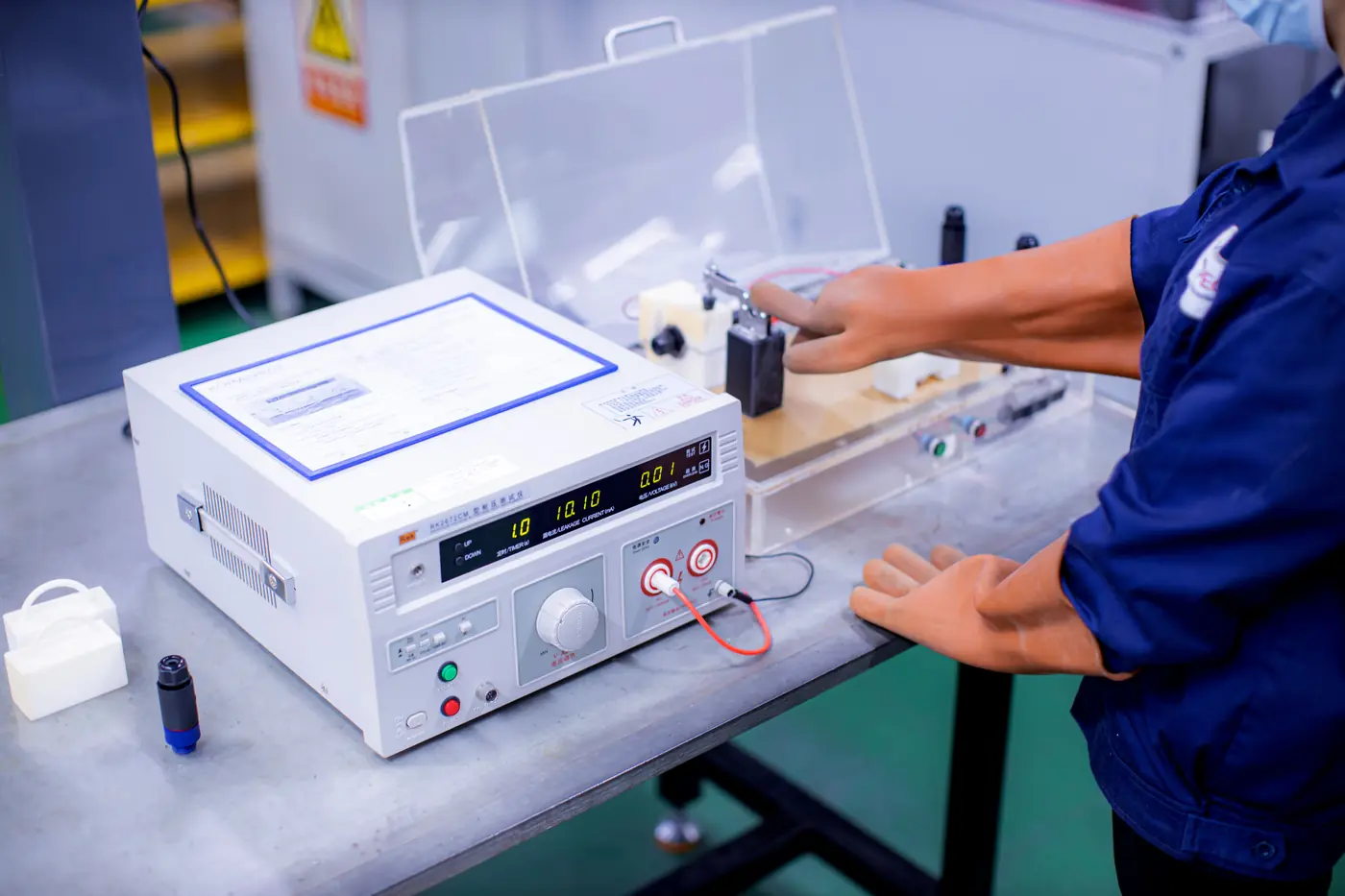
To keep your hardware on track, New Product Introduction relies on a three-stage validation framework that progressively proves both the design and the manufacturing process are ready for the real world.
- Engineering Validation Test (EVT): The first actual units will be produced from the intended materials using the expected manufacturing process, and subjected to functionality, thermal and electrical tests in order to validate the basic engineering. Failure is an indication of what to address at the next step.
- Design Validation Test (DVT): Once you've proven it works, you move to DVT with a larger batch of 50 to 200 units. Now, you are testing against formal customer requirements and the regulatory standards for your target markets. This is where you put the product through the wringer — drop testing, vibration testing, cycle life, and electromagnetic compatibility, all belong here. If it passes DVT, you've proven that the design is solid and officially meets its functional specs.
- Production Validation Test (PVT): This is the final gate. You aren't just testing the product anymore; you're testing the factory. You run this on the actual production line using final tooling, with your real operators and your standard quality control systems. You're looking for data on yield rates, cycle times, and scrap.
- These tests are theoretically part of the "testing and validation" stage of New Product Introduction that we just discussed. However, they are so critical to the success of a physical product that they deserve much closer attention.
Be wary of late-stage design changes! They will blow up your NPI schedule faster than almost anything else. When one is unavoidable, it has to be thoroughly documented, with descriptions of what it does to your validation data, and clear specifications of what needs to change.
Undocumented "small tweaks" can invalidate the validations while the team assumes everything is good to ship.
Common Challenges in New Product Introduction
According to McKinsey, more than 50% of all product launches fail to hit business targets.
Nearly all of them trace back to the kind of coordination failures NPI is specifically designed to prevent, and the same traps come up across industries and product types.
Here are the ones that hurt teams most:
- Rushing to market. When the schedule slips, the instinct is to skip testing or shortcut design refinement. It almost always backfires. Skipping validation doesn't eliminate the problem, it just moves it downstream, where a fixable delay turns into a field failure or a production halt that costs ten times more to resolve.
- Underfunded launches. Tight budgets lead to quality compromises and surprise costs mid-project. NPI forces you to account for tooling, scrap rates, and validation expenses before you commit — not after you've already spent the money you needed to cover them.
- Quality nightmares at scale. A 2% defect rate on a batch of 50 prototypes is just a minor annoyance. That same 2% defect rate on a run of 50,000 units is a logistical and financial disaster. NPI validation phases exist specifically to stress-test your yields before you hit mass production, catching these issues while they are still cheap to fix.
- Working in silos. When design, engineering, marketing, and manufacturing aren't talking, you get a snowball effect of delays and rework. If designers finalize a part without asking manufacturing if it can actually be built, costs skyrocket. If marketing sets a launch date without checking supply chain lead times, everyone fails. NPI forces these teams to align from day one.
- Underestimating tooling timelines. Tooling for precision components takes a minimum of four to eight weeks, and often much longer for complex parts. You simply cannot compress this timeline, which means it has to be baked into your schedule with absolute accuracy from the beginning.
- Sloppy prototyping records. Moving fast during the early prototyping phase often means teams fail to fully document their quality metrics. Those missing records create massive blind spots when it is time for formal manufacturing validation.
- Global supply chain instability. Tariffs, trade disputes, and geopolitical shifts inject a ton of uncertainty into the manufacturing process. A good NPI strategy actively plans for these risks and builds in backup sourcing options so you aren't caught off guard.
- Wishful scheduling. Taking a product from a final prototype to stable mass production realistically takes 6 to 12 months for most hardware. Teams that plan for anything less might encounter surprises along the way.
How to Optimize Your New Product Introduction Plan
Most teams try to optimize NPI by fixing individual steps, tightening a timeline or adding a simple review round. That rarely works.
However, improving the process requires dealing with what lies beneath: decision-making processes, information visibility, involvement of the right people, risk identification and escalation, and finally, the understanding by all parties of what NPI requires of them.
Choosing the right manufacturing partner is one of the most important decisions, and one that most teams get wrong.
The assumption is that a manufacturer's job is to build what you hand them. It isn't.
The right partner understands how NPI works and ideally has seen dozens of projects like yours, so if something goes sideways, they know exactly why. This kind of experience, combined with deep knowledge of material behavior and process parameters that most design teams simply don't have, is what turns a good NPI into a great one. But only if you bring them in early enough to actually leverage all this expertise.
Here is how to tighten up your workflow and make your NPI process drive results:
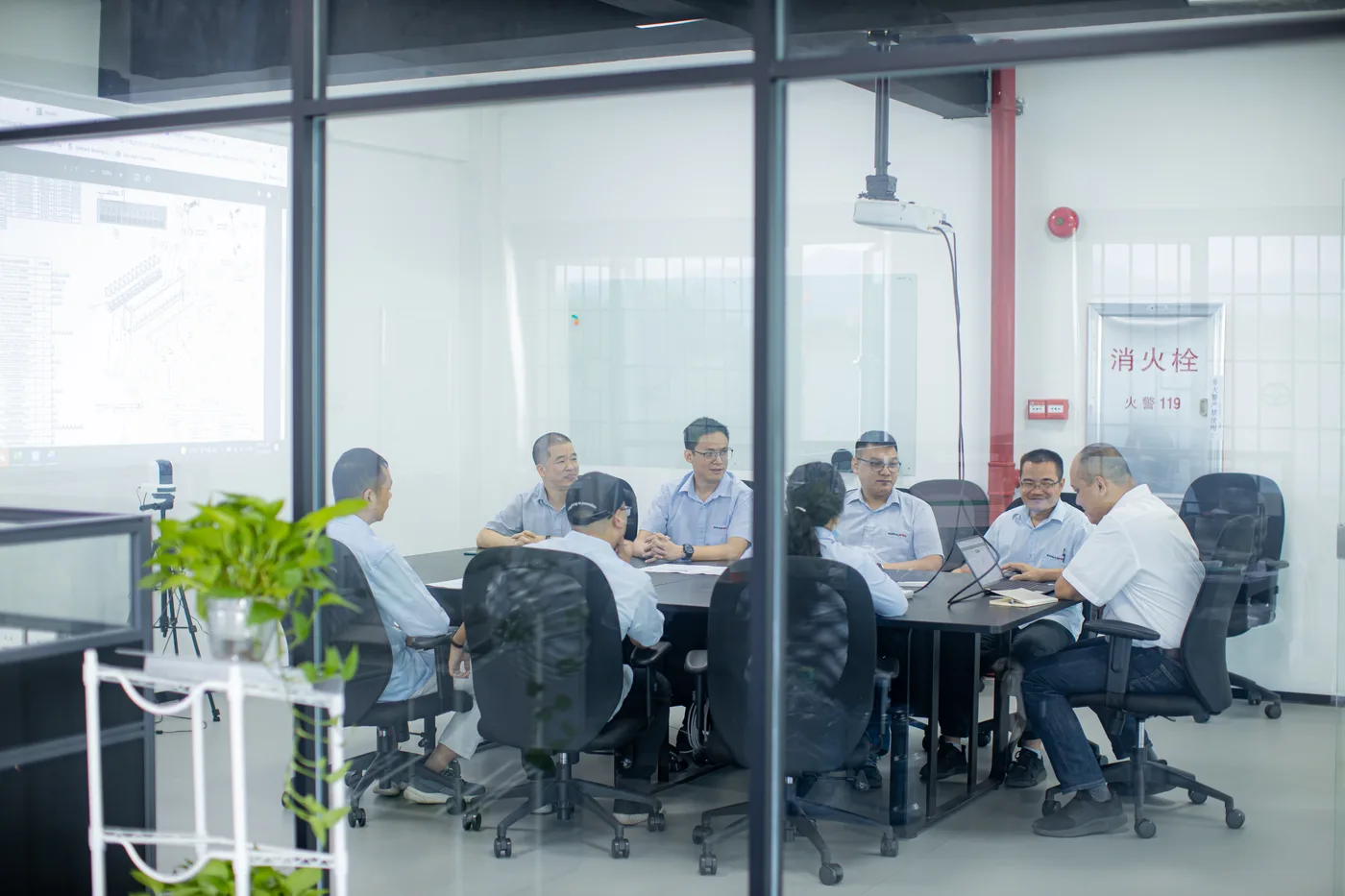
- Align all stakeholders early: Making decisions without everyone at the table will most likely cause trouble that will be twice as difficult to handle. Ensure that you have the alignment among your team, including your contract manufacturer, from the beginning.
- Build a cross-functional team: Use shared project management tools and define hard handoff criteria between phases. Teams working from different versions of the plan make expensive mistakes at every transition that nobody catches until it's too late.
- Define clear objectives and success metrics: Every gate review needs objective, measurable criteria to move forward. If you don't define your cost, yield, and regulatory targets at the start, your gate reviews just turn into debates. Debate doesn't move a schedule forward; firm criteria do.
- Consider market and competition: The production line is only one side of the story. Customer requirements, timing for release, and positioning within the market should be dictating the features and standards you set from the outset, not things to resolve at a later date through marketing.
- Address regulatory and certification requirements early. Certification labs work on their own timeline, and it never aligns with yours if you come to them late. Know which markets you're targeting from day one and map out the specific requirements before development gets underway. Waiting until the end of DVT to think about compliance is how you add months to schedules that are usually already tight.
- Invest in digital technology and centralization of data: Excel spreadsheets and emails will only result in version control issues and miscommunications that multiply quickly within the complexity of an NPI process. This strategy also helps when you need to share your files with your manufacturing partner since a clean communication rarely results in back-and-forths for clarification.
- Build in continuous improvement from the start: Track volume, first-pass quality, cycle time, and supplier delivery in real time. When something deviates, run a root cause analysis immediately, don't save it for the post-launch review. When internal quality oversight isn't enough, bring in independent quality control rather than hoping the process holds.
- Always treat NPI as a compounding capability: every lesson you document becomes an advantage on the next program.
Key Skills for NPI Success
Strong New Product Introduction requires a specific mix of technical depth and organizational coordination.
These are the competencies that separate teams that ship clean from those that don't — whether you're evaluating your own operation or a potential manufacturing partner:
- Process engineering. This is the hands-on expertise that lets someone look at a design and know which manufacturing parameters will consistently hit quality targets at scale. Seasoned process engineers have seen enough projects fail for avoidable reasons that they stop those failures before they start, saving you weeks of trial-and-error you can't afford mid-program.
- DFM and DFA. Both methods exist to close the gap between a design that works and a design that can be built efficiently. Design for Manufacturing ensures the product can be manufactured without unnecessary complexity. Design for Assembly ensures it can be built quickly and with minimal errors. Together they drive down labor costs, improve yields, and reduce part count.
- Supply chain management: Supplier qualification takes longer than most teams budget for. If you haven't identified your key suppliers and flagged long-lead-time components early in the program, you will eventually be forced to make decisions under pressure that cost you time and money you don't have.
- Risk management: Around 70% of a product's total life-cycle cost and 70 to 80% of its final quality are determined during the design phase. That's why technical, supply chain, and schedule risks need to be identified early and documented in a formal risk register with clear owners. A risk you've identified and tracked is manageable. A risk that blind-sides you during DVT or PVT can derail the entire launch.
- Program management: A great NPI has a project manager that acts as the glue between departments that often have conflicting goals. They enforce your "gates," escalate blockers immediately, and ensure the commercial launch date is actually tethered to the reality of what's happening in engineering and the supply chain.
A team rarely has all of this covered internally, and that's fine. Most of the time, designs don't arrive at the factory floor ready for mass production, some iteration is always part of the process. With that in mind, your goal is to choose manufacturing partners who can fill the gaps your team has, and who are experienced enough to do it without slowing you down.
How Komaspec Supports Your New Product Introduction Program
Komaspec manages NPI covering the full path from early design to production. That starts with DFMA reviews to catch manufacturability issues before they become production problems, and a prototyping capability that includes 3D printing, CNC machining, laser sintering, and vacuum molding.
Before committing to mass production, Komaspec runs pilot production cycles to debug the manufacturing process and surface any remaining issues. Every program closes out with a full documentation package — BOMs, engineering drawings, FAI, PPAP, process capability studies, and FMEA.
With over 2,500 projects delivered, Komaspec brings the kind of cross-industry experience that helps teams move faster and make better decisions at every stage of the NPI process.
Contact Komaspec to discover how we can help you introduce your product to the market faster and more effectively.
FAQs
What does NPI mean in manufacturing?
NPI stands for New Product Introduction. It's the structured process manufacturers use to take a product from concept to mass production, covering design validation, supply chain setup, tooling, testing, and launch planning.
What does NPI mean for new products?
NPI is the process that holds the entire process together from concept to production. This provides all teams involved (for instance, design, engineering, manufacturing, commercial, and others) with a framework and milestones in which potential problems will be identified and resolved at the cheapest cost.
How do you introduce a new product to the market?
The short answer is: don't wing it. The teams that consistently nail product launches treat NPI as a system built around catching problems early — running EVT, DVT, and PVT in sequence, locking in their supply chain before the design is frozen, and getting regulatory requirements on the radar long before DVT closes. By the time they hit launch, there are no surprises left to manage.
What is NPI in the supply chain?
In supply chain terms, NPI is the planning phase that connects your product design to your manufacturing and logistics network. It involves qualifying suppliers, mapping lead times, and syncing material flow with your production schedule, all before the first unit is built.
When planning your supply chain during an NPI cycle, you also have to account for how the new product will shift demand across the rest of your business:
- Cannibalization: A new product could take away sales from your current lineup. If not expected in your demand forecasting process, you'll end up having excess stock of older products which you have to sell off at reduced prices.
- Halo effect: On the flip side, a strong launch can breathe new life into your broader portfolio, bringing in new customers who buy across your entire range. You need to factor that potential uptick into your production planning so you don't end up short on stock.
How long does NPI take?
It depends on what you're measuring and what you are producing.
The full NPI cycle, from initial concept to stable mass production, typically runs 6 to 18 months for most hardware products. Complex or heavily regulated products like medical devices or industrial equipment can push that to 24 months. Simpler products with minimal customization can come in closer to 4 to 6 months.
If you're measuring only the manufacturer-side NPI cycle from receiving your design package to production approval, the timeline is shorter, usually 4 to 12 weeks. Engaging your manufacturing partner early in the design phase is the single biggest factor in compressing that window.
The variables that affect both timelines most are product complexity, component availability, regulatory requirements, and how mature your design is when it enters the process.