UL vs. ETL vs. CSA: Which Safety Certification Is Right for Your Product?
- Introduction
- Key Takeaways
- What Are NRTL Certifications?
- UL Certification
- ETL Certification
- CSA Certification
- Are They Really Different?
- How to Choose the Right Certification
- Working With Contract Manufacturers
- Conclusion
Introduction
When bringing a new electrical or mechanical product to market, getting it certified isn’t optional, it’s a legal requirement. But it also carries benefits. The right certification mark ensures not only compliance, but also market access, insurance approval, and retailer acceptance.
In North America, three organizations dominate product safety testing and certification:
- UL (Underwriters Laboratories)
- ETL (Intertek’s Electrical Testing Laboratories)
- CSA (Canadian Standards Association)
Each is a Nationally Recognized Testing Laboratory (NRTL) accredited by the U.S. Occupational Safety and Health Administration (OSHA). And while they share the same fundamental mission, they differ in process, cost, and geographic emphasis.
Choosing the right certification isn’t about which mark means the product is “safer.” In fact, all three will validate your product according to the same UL, ANSI, and IEC standards. Rather, the choice depends on your target market, timeline, and brand positioning.
Whether you need UL’s prestige, ETL’s speed, or CSA’s North American reach, understanding the nuances will help you select the most strategic path to certification.
Key Takeaways
- UL, ETL, and CSA all follow the same UL/ANSI standards, meaning their certifications are technically equivalent in terms of compliance and safety assurance.
- UL is the most widely recognized mark, offering prestige and credibility among retailers, insurers, and regulators.
- ETL provides faster turnaround and lower certification costs, making it the go-to option for manufacturers prioritizing speed-to-market and cost efficiency.
- CSA delivers dual-market coverage across the U.S. and Canada, ideal for OEMs and exporters looking for seamless North American compliance.
- Choosing the right certification depends on your target geography, brand positioning, and regulatory requirements – not safety performance.
- All three marks, are accepted by inspectors, code officials, and distributors across North America.
Table of Contents
What Are NRTL Certifications?
Nationally Recognized Testing Laboratories (NRTLs) are independent organizations accredited by OSHA to test and certify products for compliance with U.S. safety standards. Their role is to verify that electrical, mechanical, and industrial equipment can operate safely under expected conditions, preventing hazards such as fire, shock, or mechanical failure.
The three most prominent NRTLs are UL, ETL, and CSA. Each uses established standards, typically developed by UL, ANSI (American National Standards Institute), or IEC (International Electrotechnical Commission), to evaluate product safety. Although their logos differ, the testing process and final outcome are functionally equivalent.
The NRTL certification process typically involves:
- Testing: A laboratory tests the product against recognized standards.
- Inspection: Engineers verify construction and labeling for compliance.
- Authorization: Once the product meets all requirements, the manufacturer may display the NRTL mark.
- Factory Audits: Regular follow-up inspections ensure continued compliance.
For manufacturers, these certifications are essential for legal sale in the U.S. market. In Canada, CSA and UL (C-UL) marks perform a similar function under a mutual recognition agreement between both countries.
Ultimately, whether your product bears a UL, ETL, or CSA mark, it signals the same assurance to regulators and consumers: that your product meets North American safety standards.
| Certification Body | Full Name | Primary Market | Standards Used | Cost Range | Typical Timeline | Best For | Key Differentiator |
|---|---|---|---|---|---|---|---|
| UL | Underwriters Laboratories | United States (Global recognition) | Proprietary UL, ANSI, IEC | $5,000–$50,000 USD | 6–12 weeks | High-stakes, regulated products | Develops its own standards; most recognized mark |
| ETL | Intertek Electrical Testing Labs | U.S. & Canada | UL, ANSI, CSA | 25–50% lower than UL | 3–8 weeks | Cost-conscious OEMs | Faster, more flexible testing process |
| CSA | Canadian Standards Association (CSA Group) | Canada & U.S. | UL, ANSI, IEC | Comparable to ETL | 4–8 weeks | Dual-market and export products | Single certification covers both U.S. & Canada |
UL Certification – The Industry Standard
Founded in 1893 to address electrical fire hazards at the Chicago World’s Fair, Underwriters Laboratories has since become the most widely recognized product safety certification body in North America.
Capabilities and Process
UL develops its own proprietary safety standards, such as UL 94 for flammability and UL 1598 for luminaires. This sets it apart from other testing organizations, which rely solely on external benchmarks.
It conducts rigorous in-house testing, factory inspections, and follow-up audits to ensure continuous compliance. Accredited in over 110 countries, UL operates advanced laboratories covering electrical, mechanical, fire safety, and cybersecurity.
Market Recognition and Value
The UL mark is considered the gold standard in product safety. Many U.S. retailers and municipalities require UL certification specifically, making it essential for manufacturers in the consumer electronics, medical devices, and industrial controls markets.
Cost and Timeline
UL certification typically costs between $5,000 and $50,000, depending on the complexity of the product. The timeline can span several weeks to months, reflecting UL’s detailed evaluation and documentation processes.
Best Suited For
UL is most suitable for manufacturers in heavily regulated markets, such as automotive, healthcare, energy, or data centers.
ETL Certification – Speed and Efficiency
Intertek’s ETL certification program traces its roots to Thomas Edison’s Electrical Testing Laboratories (ETL), established in the late 19th century to verify the safety of emerging electrical innovations. Today, ETL offers a modern, agile alternative to traditional certification, with faster turnaround times and lower costs.
Capabilities and Approach
Unlike UL, ETL does not create its own standards. Instead, it tests products against existing UL, ANSI, and CSA standards.
Its flexible structure allows testing to be done either in Intertek’s labs or at qualified third-party facilities. This helps manufacturers save both time and cost.
Intertek also offers sector-specific certifications such as ETL Verified (performance validation) and ETL Sanitation (for food equipment compliance).
Cost and Timeline
ETL certification is generally 25–50% more affordable than UL testing. The process is faster as well, sometimes taking half as long as the equivalent UL assessments.
Market Recognition
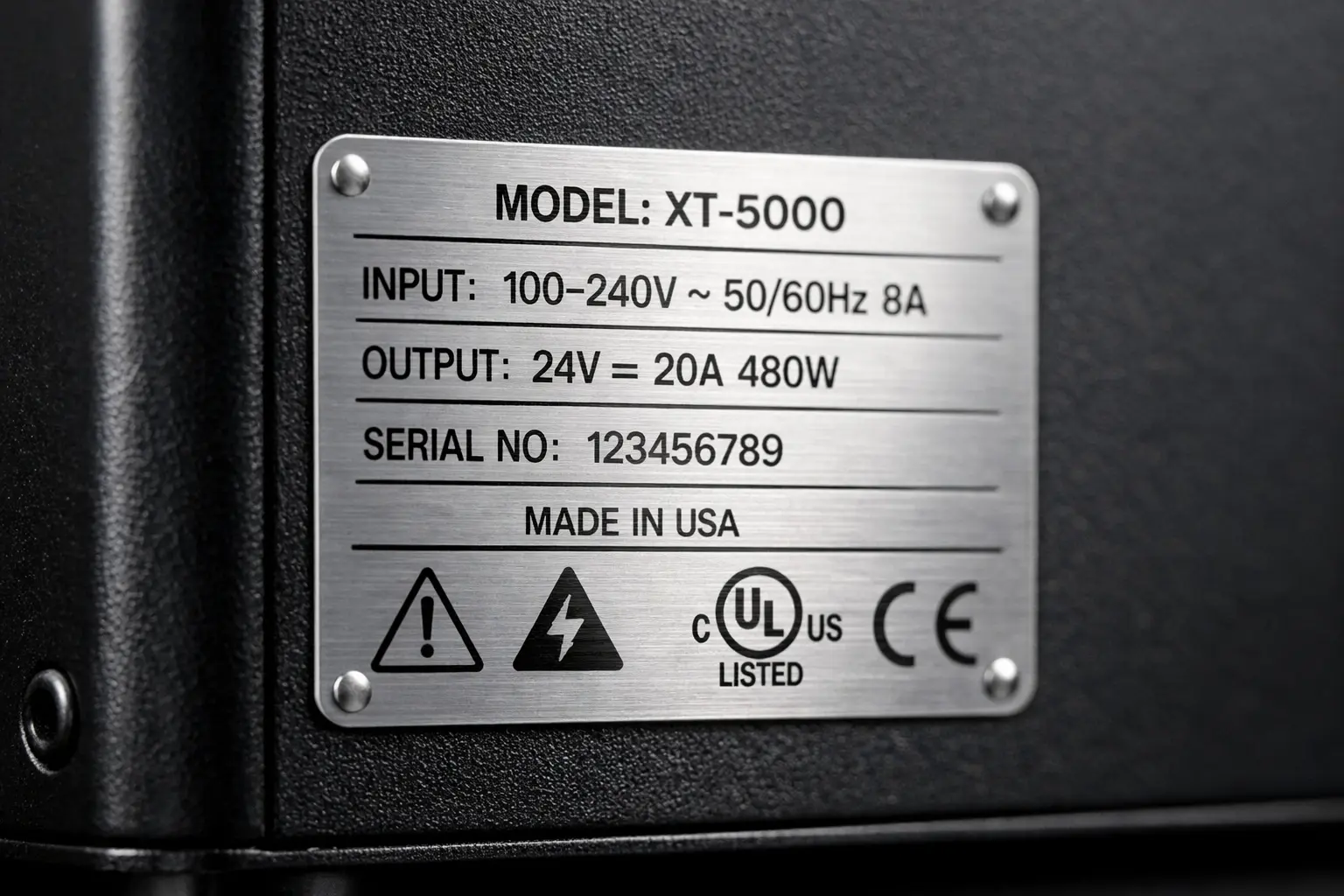
The ETL Listed Mark is fully recognized by OSHA, U.S. code officials, and retailers as proof of safety compliance. It is considered equivalent to the UL mark and there are no regulatory disadvantages for ETL-certified products.
Best Suited For
Companies seeking cost-effective and accelerated market entry while maintaining the same safety validation. This speed makes it ideal for fast-moving consumer goods, lighting, and emerging electronics.
CSA Certification – North American Coverage
The Canadian Standards Association (CSA Group) was founded in 1919 to establish national safety and engineering standards for Canada’s growing industries. It has since become a globally recognized certification body, accredited by the Standards Council of Canada (SCC) and OSHA.
Capabilities and Accreditation
CSA tests and certifies products according to UL, ANSI, and IEC standards, ensuring compliance with both U.S. and Canadian regulations. Its testing services cover a broad range of electrical, industrial, and mechanical products.
Dual Market Advantage
Through a Mutual Recognition Agreement (MRA) with UL, CSA-certified products can often be sold in the U.S. without redundant testing. CSA is also highly regarded internationally, making it a strong option for exporters looking to sell outside North America.
Cost and Timeline
CSA certification is relatively affordable and provides an efficient turnaround, especially compared to UL’s more extensive evaluations.
Best Suited For
Manufacturers targeting Canadian markets or those seeking dual-country certification in a single process. It’s particularly valuable for industrial equipment, energy systems, and export-oriented OEMs seeking globally recognized compliance.
Are They Really Different?
UL, ETL, and CSA are fundamentally equivalent in terms of safety validation.
They differ mainly in terms of prestige, speed, and cost:
- UL carries unmatched legacy recognition
- ETL offers faster, more affordable processing
- CSA provides broad North American coverage
In practical terms, there is no difference between each of these marks. They simply indicate which organization performed the testing, with no difference in safety level or consumer protection.
For OEMs and designers, the decision is less about compliance and more about strategic fit for market, timeline, and brand perception.
How to Choose the Right Certification
The right safety certification will depend primarily on your business goals. Consider the following when making your decision.
Target Market
- UL: Your primary audience is U.S.-based or major retailers explicitly require UL-listed products (this is especially the case for consumer electronics and household goods)
- CSA: You are aiming to sell in Canada or want a single mark that will be recognized in both the U.S. and Canada.
- ETL: You need faster, more cost-efficient certification for broader North American distribution.
Retailer and Distributor Requirements
Some large retailers (such as Home Depot, Best Buy, and Lowe’s) may still prefer UL-labeled products due to brand familiarity. Industrial distributors and OEMs, however, are more likely to accept ETL and CSA marks as functionally equivalent.
Timeline and Cost
UL typically involves more documentation and inspection steps, making it the most rigorous and time-consuming certification to acquire. ETL and CSA, by contrast, often deliver results 25–50% faster with lower upfront fees and simpler factory audit cycles.
Brand Positioning and Risk Profile
If your product targets high-risk sectors (e.g., medical, defense, automotive), UL offers additional assurance and consumer confidence.
For startups or SMBs, ETL and CSA provide faster routes to certification without compromising safety or market acceptance.
Strategic Tip
Collaborating with a compliance-savvy contract manufacturer early in the design phase can prevent delays and avoiding redundant tests across multiple markets.
| Factor | UL | ETL | CSA |
|---|---|---|---|
| Market Reach | Global | North America | U.S. + Canada (Dual) |
| Speed to Certification | Moderate to slow | Fast | Moderate |
| Cost | Highest | Lowest | Moderate |
| Retailer Preference | Preferred by top U.S. retailers | Accepted widely | Preferred in Canadian market |
| Ideal For | High-risk or premium brands | Cost- and time-sensitive manufacturers | Exporters and Canadian market entrants |
| Brand Recognition | ★★★★★ | ★★★★☆ | ★★★★☆ |
| Testing Authority | Develops proprietary standards | Tests to UL/ANSI | Tests to UL/ANSI/IEC |
Working With Contract Manufacturers

Navigating product certification can be complex, especially for teams managing multiple SKUs or evolving designs. Working with an experienced contract manufacturer like Komaspec simplifies the process by integrating certification readiness right from the start.
How Contract Manufacturers Streamline Certification
- Pre-Certified Components: Komaspec sources UL, ETL, or CSA pre-approved materials and subassemblies to minimize redundant testing.
- Documentation Management: They prepare all necessary test files, inspection records, and compliance reports for NRTL submissions.
- Design for Compliance (DFC): Engineering teams review designs early to ensure conformity with UL/CSA standards, reducing costly redesigns.
- Factory Audits: Certified production systems and traceability protocols support ongoing inspection requirements from NRTLs.
The Benefits
By integrating compliance into production, experienced contract manufacturers can reduce approval timelines, prevent test failures, and accelerate time-to-market. For OEMs expanding across North America, working with the right partner ensures consistent quality and easier access to certification marks.
Conclusion
Ultimately, UL, ETL, and CSA certifications all provide the same level of safety assurance and testing rigor. UL remains the most established and trusted mark, while ETL delivers speed and affordability, and CSA offers strong dual-market coverage across the U.S. and Canada. Choosing the right certification ultimately depends on your target geography, brand positioning, and compliance timeline.
FAQs
Are UL and ETL the same?
Yes, in terms of compliance. Both are OSHA-recognized Nationally Recognized Testing Laboratories (NRTLs) that test products using identical UL/ANSI safety standards. The main difference is procedural: UL develops its own proprietary standards, while ETL tests to those same established standards. From a regulatory perspective, they hold equal weight. Both marks indicate that the product has been independently verified to meet U.S. safety requirements. Retailers, inspectors, and authorities having jurisdiction (AHJs) accept ETL and UL interchangeably.
Is CSA accepted in the U.S.?
Yes. CSA is recognized by OSHA as a U.S. NRTL. Products bearing the CSA NRTL/C mark meet both U.S. and Canadian standards, making the certification valid across North America.
Which safety certification is most trusted?
UL carries the strongest brand recognition due to its history and visibility. However, ETL and CSA certifications are equivalent in compliance and safety assurance.
Can one certification cover both the U.S. and Canada?
Yes. The UL C-UL and CSA NRTL/C marks indicate compliance with both U.S. and Canadian standards, streamlining cross-border sales and reducing redundant testing.
How long does certification take?
Most certifications are completed in 4 to 12 weeks. The actual timeline depends on product complexity, documentation readiness, and testing requirements. Working with an experienced contract manufacturer that uses pre-certified components can often shorten this timeline and minimize delays caused by retesting.