
What a Contract Manufacturing Agreement Should Cover
- Key Takeaways
- What Is a Contract Manufacturing Agreement?
- When Should There Be a Contract in Place?
- Where Does the Liability Fall?
- What Goes in a Quality Agreement?
- Engineering Changes and Costs
- Forecasts and Material Ownership
- Pricing and Annual Reviews
- Who Owns the Tooling?
- Warranty and Liability Caps
- Delivery Terms and Incoterms
- Governing Law and Dispute Resolution
- IP Protection and Confidentiality
- The Negotiation Mistake to Avoid
- FAQs
A contract manufacturing agreement is the contract between a product owner and the manufacturer that builds the product according to the owner’s prints and specifications. It should cover who is liable for what (the manufacturer for conformance, the customer for the design), how quality is accepted, who pays for engineering changes and forecast material, how prices are reviewed, who owns the tooling, and the warranty, delivery terms, governing law and IP protection.
Each clause is explained from the manufacturer’s perspective, with real standard terms as examples you can compare against your own agreement.
Key Takeaways
A contract manufacturing agreement is a legal document that specifies terms between a customer supplying a design and a manufacturer building products according to that design.
These agreements typically cover ownership of tooling, materials, and intellectual property; pricing; and quality requirements.
With these agreements, liabilities related to the design itself usually fall with the customer, while liability for product non-conformance falls to the manufacturer.
Under a contract manufacturing agreement, the customer approves and releases engineering changes, even those suggested by the manufacturer, and usually pays for the obsolete stock, tooling changes and price increases they trigger.
Table of Contents
- Key Takeaways
- What Is a Contract Manufacturing Agreement?
- When Should There Be a Contract in Place?
- Where Does the Liability Fall with a Contract Manufacturing Agreement?
- What Should Be Covered in a Quality Agreement?
- Who Handles Engineering Changes (And Who Pays for Them)?
- Forecasts, Firm Orders, and Material Ownership
- Use Annual Reviews for Pricing
- Who Owns the Tooling?
- Warranty, Non-Conformance, and Liability Caps
- Delivery Terms and Incoterms
- Governing Law and Dispute Resolution
- IP Protection and Confidentiality
- The Common Contract Negotiation Mistake to Avoid
- Frequently Asked Questions
What Is a Contract Manufacturing Agreement?
A contract manufacturing agreement is the umbrella contract that individual purchase orders sit under, and it governs the relationship between the product owner and the manufacturer.
The agreement generally covers product quality, change control, forecasting, who owns the tooling and materials, pricing for the project, intellectual property protections, warranty, and dispute resolution procedures.
A supply agreement covers a product from a vendor’s catalogue. A contract manufacturing agreement covers your product, built to your drawings and specifications.
When Should There Be a Contract in Place?
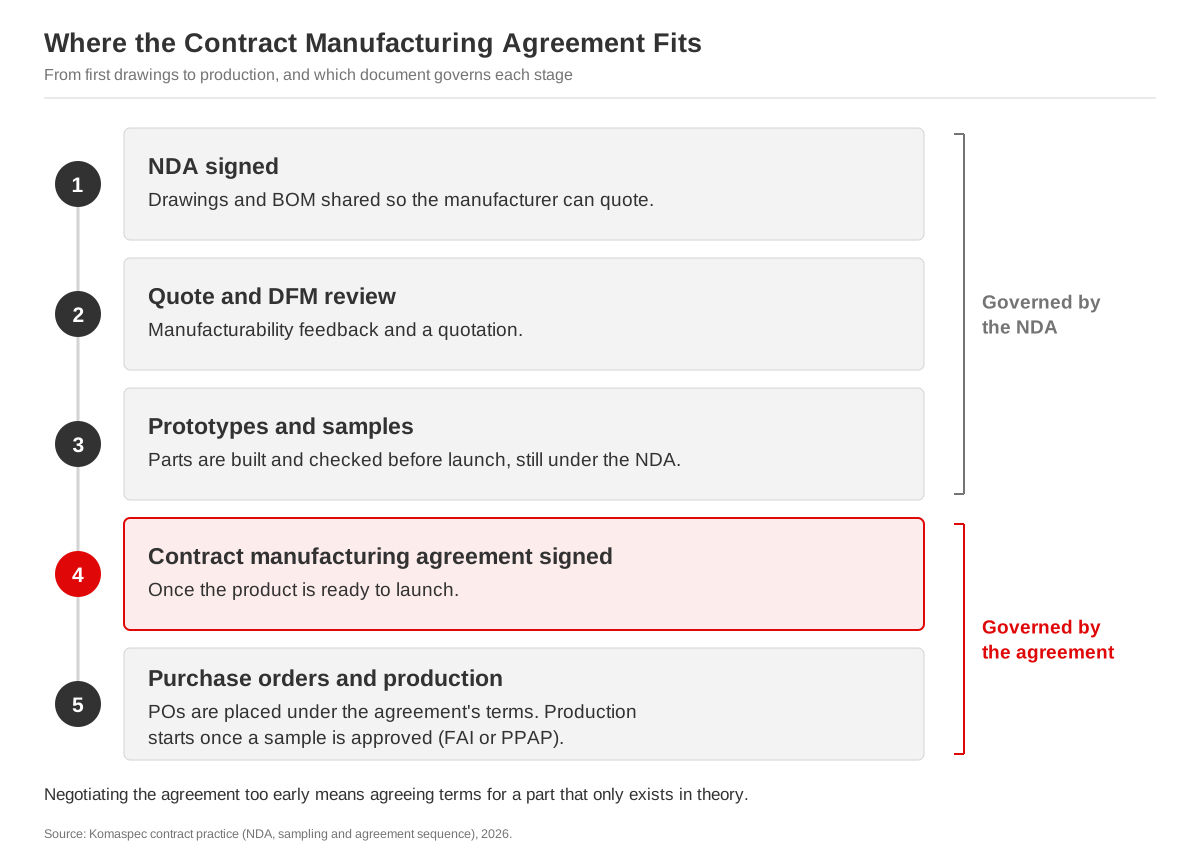
The first thing that should be signed is an NDA. This allows you to safely send drawings and BOMs to solicit quotes. The DFM review, prototypes, and samples can all be done under the NDA as well.
Once the product is ready to launch, that NDA is no longer sufficient. At that point, you should draft and sign the contract manufacturing agreement.
You could technically establish the agreement earlier in the process, but that comes with additional headaches and few benefits. Mainly, you’ll end up negotiating over terms for a part that still only exists in theory.
Where Does the Liability Fall with a Contract Manufacturing Agreement?
An original design manufacturer will hold some liability for the design, but that’s not the case with this type of agreement.
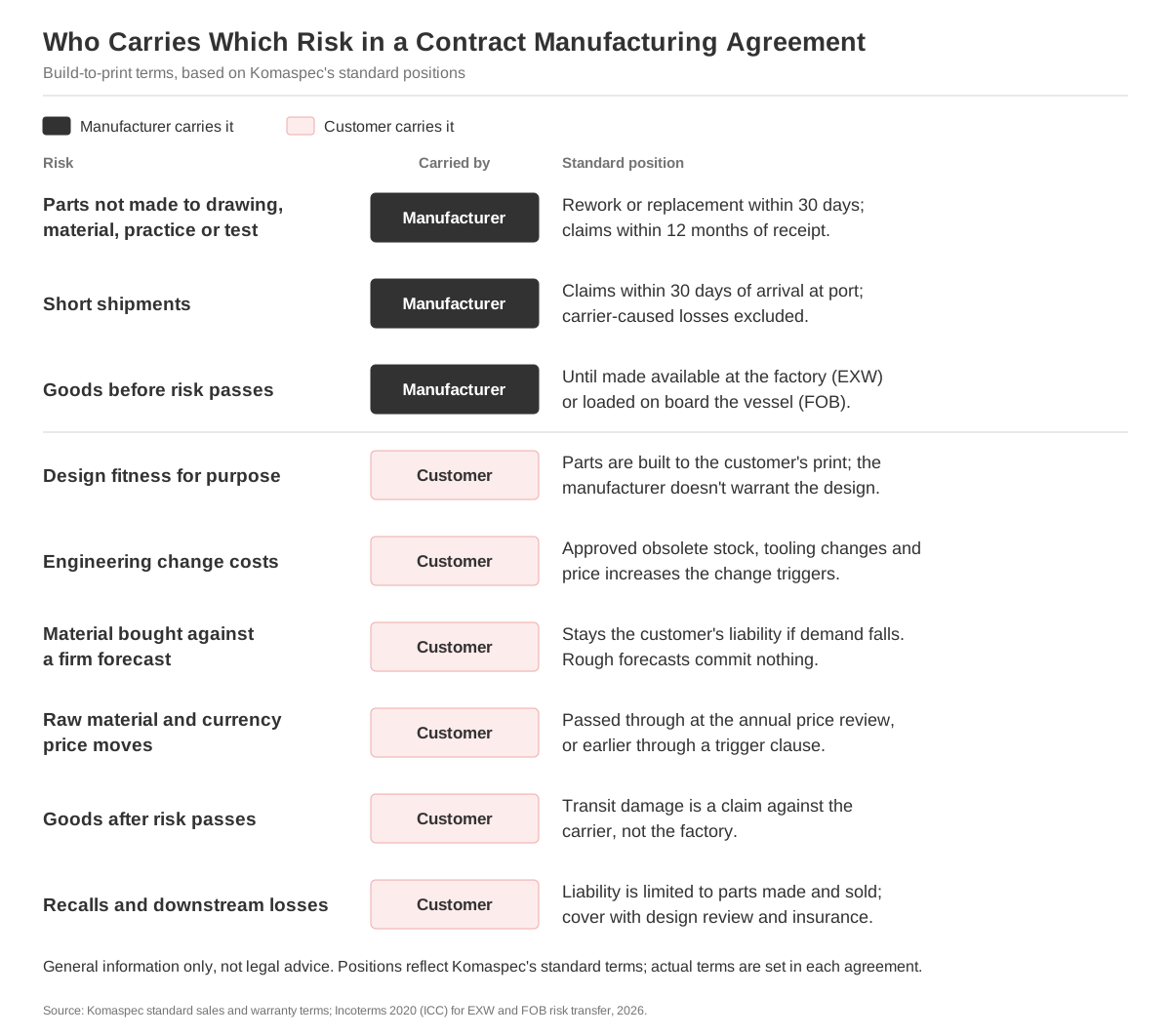
A contract manufacturer will give you assurance that they will meet your specifications and follow your drawings. But they will not guarantee that your design is fit for purpose. The product’s design and its applications fall squarely under your responsibility.
Our standard warranty treats parts as non-conforming, and our responsibility, if they are not:
- Made according to drawings
- Made of specified (approved) materials
- Fabricated according to best manufacturing practice
- Tested per the agreed test method
If all four are met and the part still has a problem, that’s a DFM conversation, not a warranty claim.
What Should Be Covered in a Quality Agreement?
The quality agreement sets out each party’s quality responsibilities, including what counts as a pass or fail. It can be part of the manufacturing contract or a separate agreement.
In its guidance on contract drug manufacturing, the FDA explains that these are agreements where both parties “delineate their manufacturing activities” so nothing is left unclear.
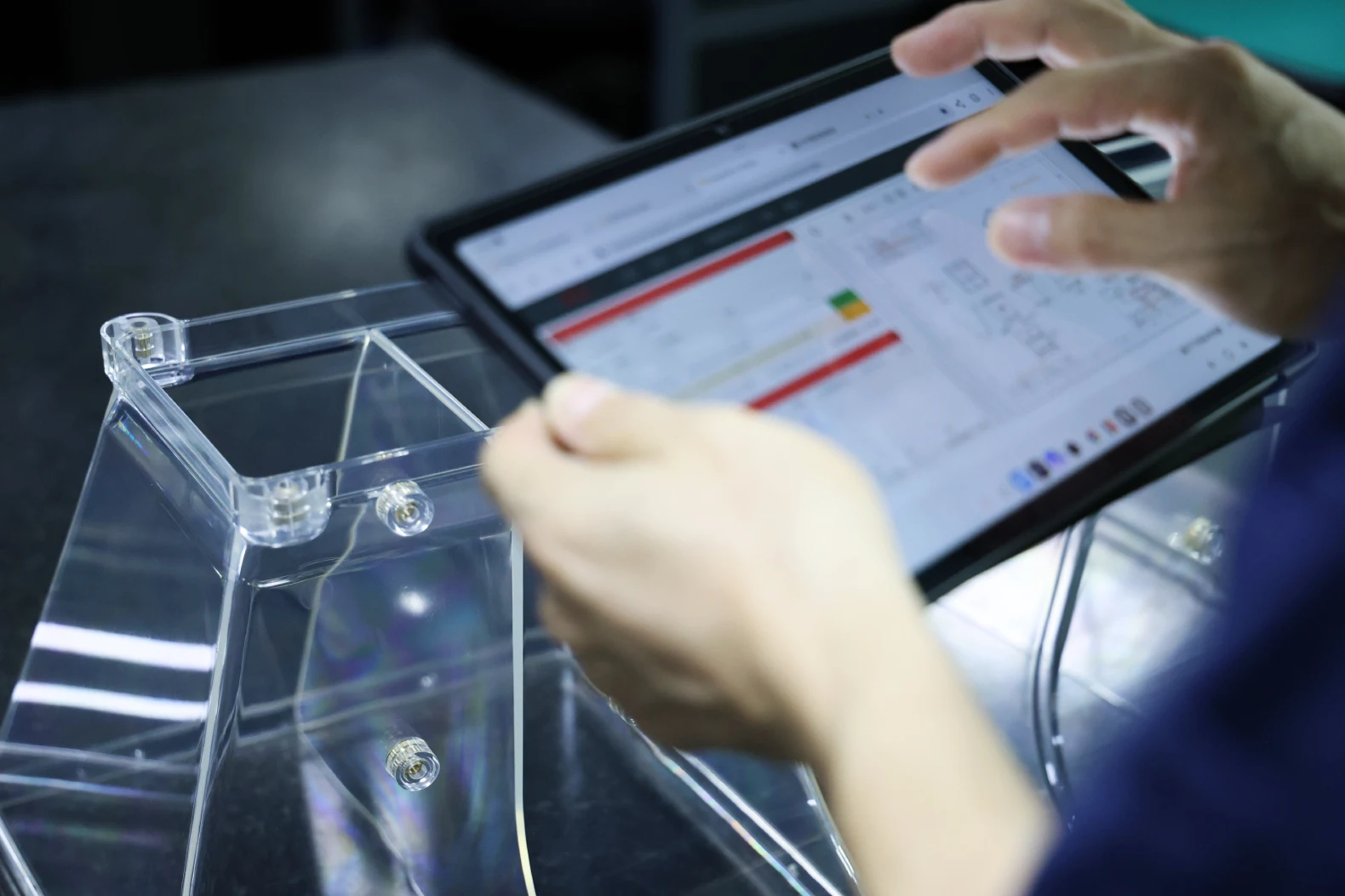
There are three things that should be defined in every quality agreement.
The quality standard and acceptance quality limit (AQL) for sampled parts. This establishes clear pass/fail criteria for every lot. The usual reference is ISO 2859-1. Check which edition of the standard your supplier uses (the 2026 edition has supplanted the 1999 version and adds skip-lot procedures).
Approval through first article inspection or PPAP. Production shouldn’t start until the sample is approved. Name which inspection procedure to follow, at what PPAP submission level, and who will sign off on it. That sample sets the benchmark for every non-conformance report (NCR) that arises during production.
Which documents will be shipped with the product (e.g. material certs, CoC, test reports) and which ones will remain on file.
There’s a balance to strike with your quality agreement. Over-specify and you’ll pay for inspection you don’t need, such as 100% inspection of a feature whose Cpk data already shows the process is capable. Under-specify and you’ll run into disputes over ambiguous requirements (for instance, “test the unit” doesn’t name a clear testing method, load, voltage, or pass criteria).
Who Handles Engineering Changes (And Who Pays for Them)?
The customer is the one who approves and releases engineering change orders (ECOs). This is the case even when the manufacturer suggested the change.
The agreement should cover three things about ECOs.
Timing for implementing the change. Depending on the complexity of the change, it will either be handled immediately or phased into a later build.
Re-approval for things like new samples, full recertification, or signing off on drawings. Agree in advance which changes need which level of re-approval.
Who foots the cost for the changes. Our standard policy for ECOs is that costs due to approved obsolete stock, price increases, and tooling changes fall on the customer.
Forecasts, Firm Orders, and Material Ownership
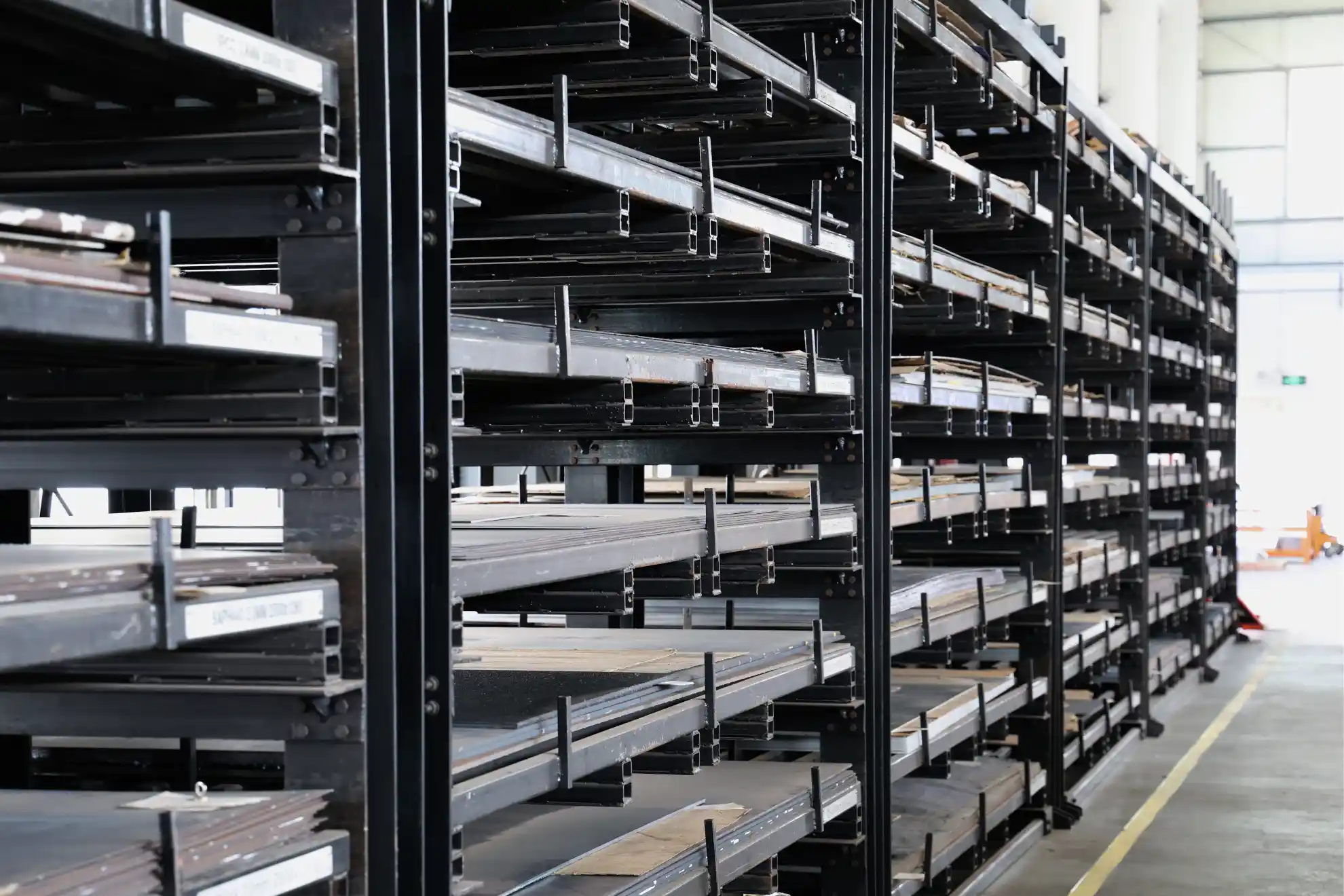
It’s different with a rough forecast. It carries no commitment and is used for planning only. It helps the manufacturer plan capacity, check material availability and flag items with long lead times, but nothing gets purchased or produced.
It’s important to explicitly state when a rough forecast becomes a firm one, how much notice is needed to bring orders forward or push them back, and who will be liable for long-lead items bought on your authorization. For our more complex box builds, there might be a BOM with over 300 lines and custom items that need to be authorized long before the purchase order for finished goods, so settling that last question matters quite a lot.
Use Annual Reviews for Pricing
Sticking to a fixed price year after year doesn’t work well for products made of plastic or metal. Annual reviews are preferable, since they allow you to adjust the price based on changes to the cost of materials, inflation levels, and currency exchange values. Every agreement should also have a trigger clause that allows pricing to be renegotiated in the event of price shocks (for example, if the price of stainless steel moves by a certain percentage within a given timeframe).
Recently, our purchase price for aluminum rose by about 50% (and we saw a similar jump with plastic). In September 2026, the benchmark price was still around 26% higher than a year earlier, before easing to about 11% above year-earlier levels in early October. Our aluminum-intensive projects were repriced at the end-of-year account reviews. We monitor material and currency movements, the trigger clause is standard in our contracts, and our quotations are valid for 30 days.
And of course, prices can change in either direction. Your shock clause should account for sharp decreases, not just increases.
The price schedule should also cover how tooling costs will be amortized (unless they’re paid upfront), volume breaks, and payment terms.
Who Owns the Tooling?
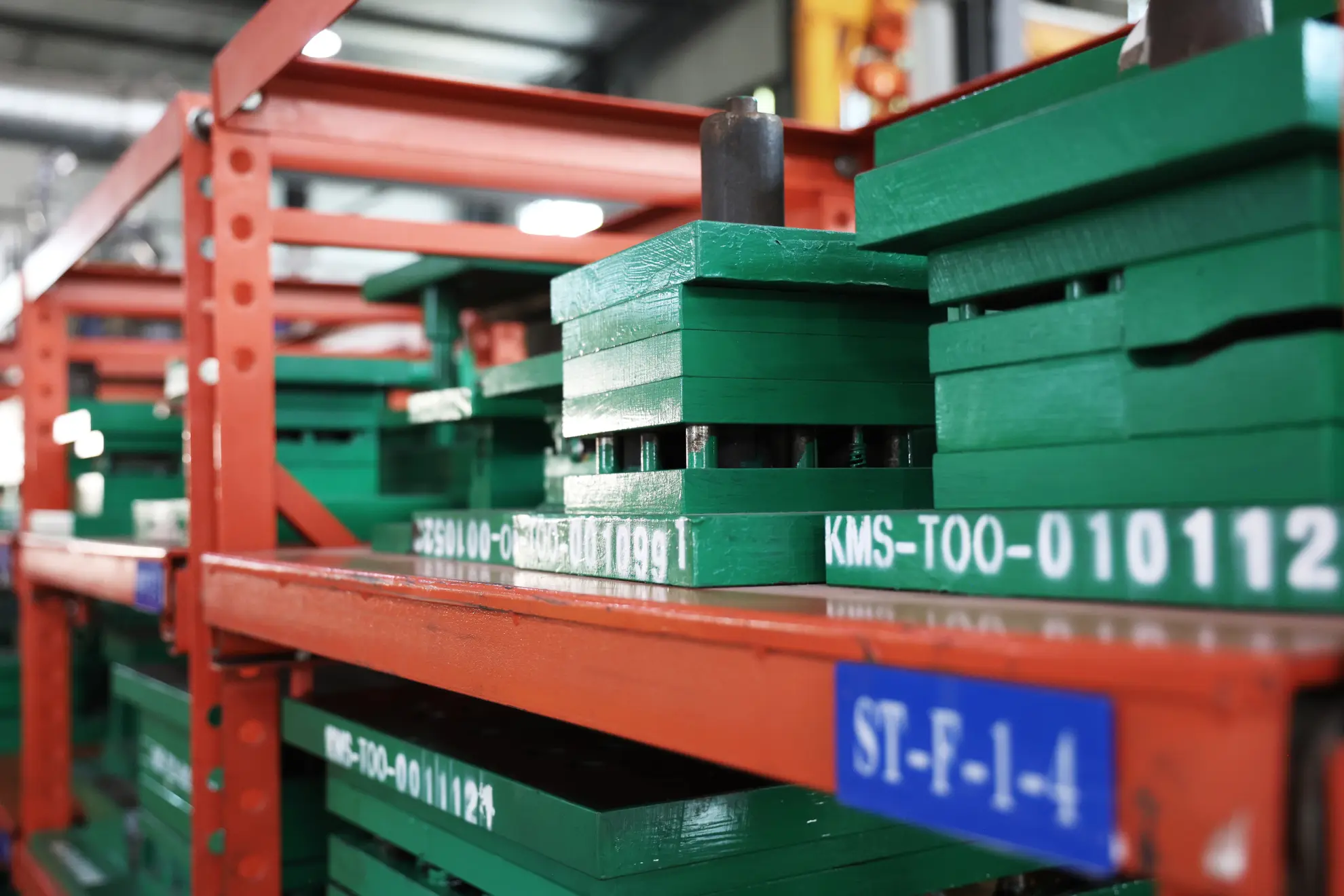
Then there’s the transfer procedure. This should specify who will pay for crating and freight, what gets sent along with the tooling (e.g. drawings, last-shot samples, maintenance records), and whether the manufacturer holds a lien for unpaid invoices.
Warranty, Non-Conformance, and Liability Caps
The terms of the warranty should be narrow and tied directly to conformance requirements. For overseas customers, we set warranty terms during the quotation phase, and they generally apply unless the NDA or PO says otherwise, so that’s when you should be negotiating them.
Our standard terms are as follows:
| Term | Komaspec standard position |
|---|---|
| Quality claim window | 12 months from the customer’s receipt of the goods |
| Standard remedy | Rework or replacement within 30 days |
| Quantity discrepancy claim window | 30 days after arrival at destination port |
| Scope of liability | Parts Komaspec manufactured and sold; nothing further down the customer’s product |
| Exclusions | Damage in transport, improper use, improper design, normal wear and tear |
| Monetary cap | None fixed in standard terms; claims are assessed case by case |
If your product sells only for a short season, getting a replacement once that window has closed will be worthless. Instead, ask for the option of a credit on future orders.
Our liability is limited to the parts we made and sold. A supplier of a USD 40 sub-assembly can’t underwrite a USD 2 million recall; that risk should be mitigated by a thorough design review and a product liability insurance policy.
Damage that happens in transit is a claim you make with the carrier once risk has passed to you. Under Ex Works (EXW), that happens when the goods are made available at the factory; under FOB, once they are on board the vessel.
The agreement should also include a force majeure clause. Ours excludes liability for failed or delayed delivery caused by force majeure events. But always be sure to verify which events fall under that clause, since it may vary from contract to contract.
Delivery Terms and Incoterms
Name a default Incoterms 2020 rule and whether a PO can vary it. Ours is EXW, with FOB (we clear export and load the vessel) and DAP (delivered at place, import duties unpaid) available on some projects. If you’re using an older template, it might say DDU, but this was replaced by DAP in 2010.
Buyers often ask for DDP, which would have the seller paying all import duties. In the current tariff environment, virtually no supplier will agree to it. If they did, they would have to cushion their price to account for the possibility of rate change before delivery. Most buyers are better off going with EXW plus their own forwarder.
Either way, read the ICC’s guide to tariffs under each Incoterms rule before you decide.
If you’re working with a manufacturer that runs multiple sites (like Komaspec, which has facilities based in Mexico, China, and Vietnam), name which facility will be the default and specify terms for whether and when production can be moved to a different site.
State how often delivery status will be reported (ours is weekly) as well as the export packaging requirements (for Komaspec, it’s proper packaging with identification, on fumigated pallets).
Governing Law and Dispute Resolution
Choose a neutral location for arbitration. We often recommend Hong Kong since it is a common-law jurisdiction with arbitration laws based on the 2006 UNCITRAL Model Law. According to the Hong Kong International Arbitration Centre, its arbitral awards are enforceable in more than 170 New York Convention states, as well as Mainland China (which matters when the factory is located there).
Instead of going straight to formal proceedings, establish a requirement that designated senior personnel from both parties attempt to settle the matter first. Moderate issues like non-conforming batches or late shipments can often be resolved that way.
Unless your contract excludes it, the UN Convention on Contracts for the International Sale of Goods (CISG) applies by default when the parties are based in different contracting states (there are 97, including Canada, the United States, Mexico, China, Vietnam and Germany). If you would rather have conformity, notices and remedies governed by English law or the UCC, exclude the CISG in writing.
IP Protection and Confidentiality
Don’t leave this up to interpretation. Your agreement should state who owns the designs (including any DFM improvements), drawings, BOM, and tooling. In most contract manufacturing arrangements, this will be the customer (especially if they pay for the tooling), while the manufacturer only has license to use them for the purpose of making the product. But this should be outlined clearly in the agreement, not assumed.
Clauses about IP rights and confidentiality only genuinely protect your designs if the manufacturer’s practices actually line up with them. So ask who will be able to open your full set of drawings and what sub-suppliers are given access to.
In our case, we control access to customer drawings internally and give suppliers only the drawing for the part being made. This gives them the information they need without any details about its end use or even assembly. To further secure the customer’s designs, these suppliers sign their own NDAs and purchasing contracts. So in practice, that means a laser cutter making a blank for one of our projects will see the blank but no other drawings or details.
The Common Contract Negotiation Mistake to Avoid
Concentrate your efforts negotiating over the clauses that come with operational risks. That means forecast liability, change control, how tooling is handled at the end of the project, and how both parties will approach price adjustments. For every other clause, going with the market standard is fine.
The mistake many customers make is seeing the agreement as separate from the manufacturing relationship. In many ways, it determines how the parties will interact. A strict and aggressive agreement will result in squabbles over minor points and constant attempts at gaining concessions. A manufacturer will read it as a warning for how the customer will respond whenever something goes wrong.
So put your best foot forward. If you approach these opening negotiations with fairness, it shows that you’ll be willing to handle every issue sensibly and collaboratively.
This article is general information, not legal advice. Review your agreement with your legal team and your manufacturer before signing.
Preparing an agreement for a product that will be moving into production? Test your terms against a real quote: send your drawings and BOM to Komaspec for a DFM review and quote. Request a quote
Frequently Asked Questions
What is the difference between a manufacturing agreement and a supply agreement?
Both are contracts, but they cover different arrangements. A supply agreement covers products from the supplier’s catalog, including quantities and delivery requirements. A manufacturing agreement covers a product built to the customer’s drawings and tested to methods they specify. The manufacturer is liable for non-conforming units, while the customer retains liability for the product design.
Is a quality agreement separate from the contract manufacturing agreement?
It can either be separate or part of the overall agreement. In regulated industries like pharmaceuticals, a separate quality agreement (following FDA guidance) is standard. In general manufacturing, quality terms usually sit in a section or annex of the main agreement. Either way, it should cover sampling standards, AQL, the approval gate and shipment documents.
Who owns the tooling in a contract manufacturing agreement?
The party who paid for it, which is almost always the customer, but the agreement should still say so explicitly. It should also cover storage after production, when the manufacturer may scrap unclaimed tooling, and the terms of transfer. Komaspec stores tooling free of charge for two years; after that, we charge USD 250 per year.
What Incoterm should a manufacturing contract use?
EXW is the simplest option for buyers who have their own forwarder: the factory makes the goods available and the buyer takes it from there. FOB adds export clearance and loading onto the vessel. DDP, where the seller pays the import duties, is rarely offered under current tariff conditions because the duty rate is too volatile for the seller.
Is contract manufacturing risky?
It can be, but many of the risks can be mitigated with a proper agreement. A thorough contract will stipulate how parts are tested, who pays for engineering changes and materials bought against a forecast, and what happens to the tooling after the production run. That is the groundwork for a productive, reliable manufacturing relationship.